In the quiet corridors of development work, there exists a group of unsung heroes – community facilitators who bridge the gap between policy and people, between government systems and grassroots realities. These are the individuals who walk the last mile, quite literally, to ensure that healthcare reaches the remotest villages and that local governance truly serves the community.
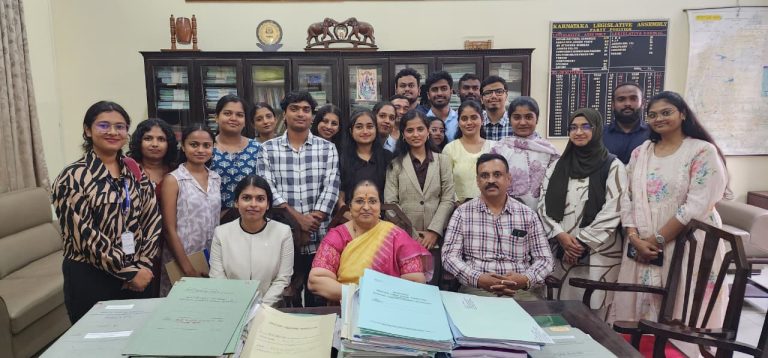
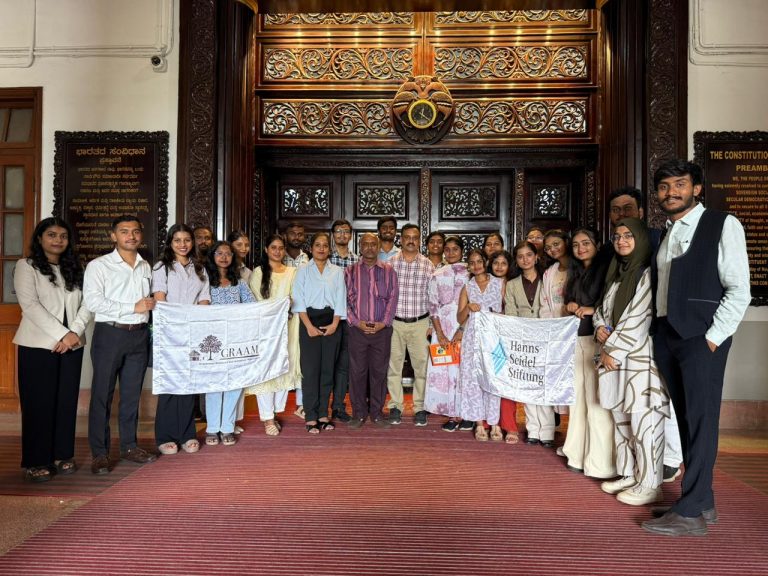
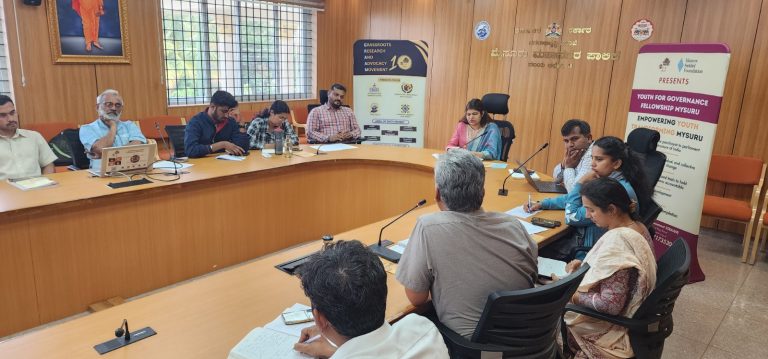
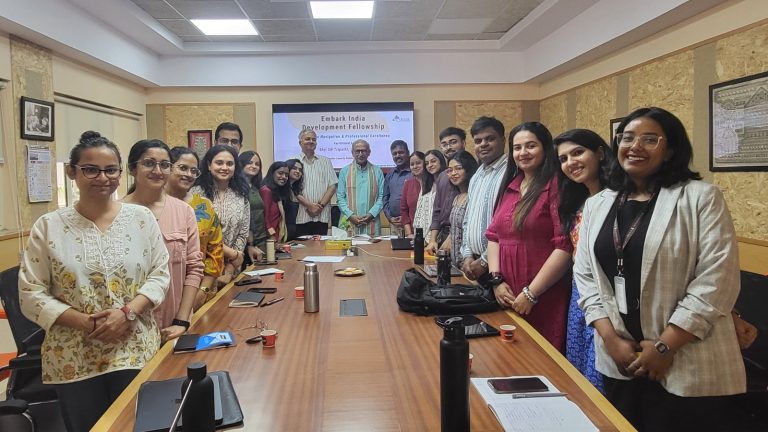
At GRAAM’s Mysuru office, we recently took an important step in strengthening this critical workforce through Phase 1 of the Induction Training Programme for the Community Team of the Swasthya Swaraj Project, a two-day intensive session designed to equip facilitators with the knowledge, skills, and confidence they need to make a real difference in the field.
Why Community Facilitators Matter
“Grassroots facilitators play a vital role in connecting communities to governance systems, especially in health and local self-governance,” said Dr. Basavaraju R Shreshta, Executive Director, GRAAM, during the inaugural session.
His words capture a fundamental truth: even the most well-designed health programs and governance structures can fail if there’s a disconnect between institutions and communities. Community facilitators are the human link in this chain, they translate complex policies into accessible information, advocate for community needs within the system, and empower citizens to claim their rights and access services.
In the context of the Swasthya Swaraj Project, which focuses on strengthening community-led health initiatives, the role of these facilitators becomes even more critical. They aren’t just information providers; they’re catalysts for change, building awareness, fostering participation, and creating pathways for communities to take ownership of their own health and well-being.
What the Training Covered
The two-day induction programme was thoughtfully designed to address both the knowledge and skill gaps that community facilitators often face. Here’s what participants engaged with:
1. Understanding the Panchayati Raj System in Karnataka
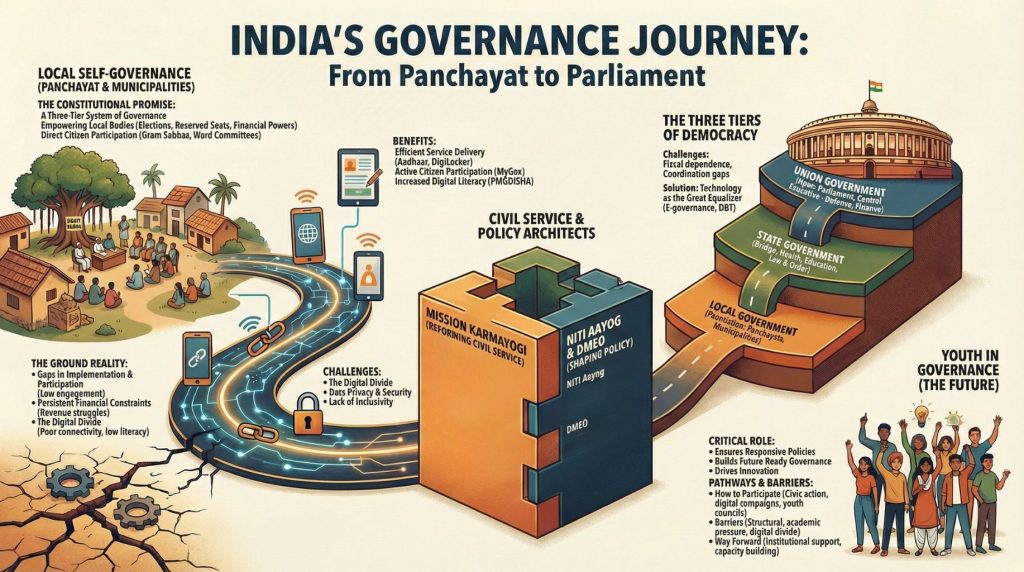
India’s Panchayati Raj system represents one of the world’s largest experiments in decentralized democracy. Yet, for many communities, the system remains opaque – rules are unclear, processes are complex, and accessing services feels daunting.
Participants learned about:
- The structure and functions of Panchayati Raj Institutions (PRIs) in Karnataka
- How local governance works at the village, block, and district levels
- The role of elected representatives and administrative officials
- Opportunities for community participation in local decision-making
This foundational knowledge equips facilitators to help communities navigate the system effectively and hold institutions accountable.
2. Navigating the Public Health System in Karnataka
Healthcare in India is a layered system involving primary health centers, community health centers, district hospitals, and various specialized programs. For rural communities, understanding how to access these services, knowing where to go, what services are available, and what their entitlements are and can be overwhelming.
The training provided participants with:
- An overview of Karnataka’s public health infrastructure
- Insights into key health schemes and programs
- Understanding of referral pathways and service delivery mechanisms
- Knowledge of community health rights and entitlements
Armed with this information, facilitators can guide community members to the right resources at the right time, potentially saving lives in the process.

3. Strengthening Facilitation Skills
Knowledge alone isn’t enough. Effective community facilitation requires a unique set of soft skills—the ability to listen deeply, communicate clearly, build trust, mediate conflicts, and inspire collective action.
Through interactive sessions, participants practiced:
- Active listening and empathetic communication
- Facilitation techniques for community meetings and discussions
- Conflict resolution and consensus-building
- Mobilization strategies to encourage community participation
These skills transform facilitators from mere information providers into genuine community leaders.
4. Clarifying Roles and Responsibilities
Role clarity is essential for effective performance. When facilitators understand exactly what’s expected of them and what support they can expect in return they can work with greater confidence and purpose.
Practical discussions helped participants understand:
- Their specific responsibilities within the Swasthya Swaraj Project
- Reporting mechanisms and accountability structures
- Available resources and support systems
- Collaboration opportunities with other stakeholders
An Interactive, Participatory Approach
What set this training apart was its emphasis on interaction and practical application. Rather than lecture-style sessions, participants engaged in discussions, role-plays, case studies, and group exercises that mirrored real-world scenarios they would encounter in the field.
This participatory approach recognizes a simple truth: adults learn best by doing. By creating a safe space for questions, experimentation, and peer learning, the training ensured that participants didn’t just absorb information they internalized it.
Looking Ahead: From Training to Transformation
As Phase 1 concludes, the real work begins. These newly trained facilitators will now take their learnings into villages across Karnataka, working alongside communities to strengthen health systems, improve governance, and build collective agency.
But this is just the beginning. Community facilitation isn’t a skill you master in two days, it’s a journey of continuous learning, reflection, and adaptation. GRAAM remains committed to providing ongoing support, mentorship, and opportunities for skill enhancement as these facilitators navigate the complexities of grassroots work.

The Ripple Effect
When we invest in training community facilitators, we’re not just building individual capacity, we’re creating ripple effects that extend far beyond any single project or program.
A well-trained facilitator can:
- Help dozens of families access healthcare services they didn’t know existed
- Empower women to participate in local governance decisions
- Support communities in holding institutions accountable
- Build social cohesion and collective action around shared health challenges
- Create lasting change that outlives any external intervention
In this sense, community facilitators are force multipliers for development. And by strengthening their capabilities, we strengthen the very foundation of community-led change.
Let’s continue building a world where every community has the knowledge, skills, and agency to shape its own future.
At GRAAM (Grassroots Research and Advocacy Movement), we believe that sustainable development begins at the grassroots. Through evidence-based research, capacity building, and community engagement, we work toward a more equitable and just society.
🌱 Because change begins with people and the facilitators who walk alongside them.