Hunsur, Mysuru | September 15-26, 2025
Development studies can’t be learned solely from textbooks or lecture halls. Real understanding comes from stepping into communities, listening to lived experiences, and witnessing how policy translates or fails to translate into practice on the ground.
This is the driving philosophy behind the Community Learning and Reflection (CLR) – 2025 programme, a collaborative initiative between GRAAM and Azim Premji University now underway in Hunsur, Mysuru.
From September 15th to 26th, 2025, students from the 1st Semester MA Development Studies programme are gaining a unique, hands-on opportunity to understand social, economic, cultural, and governance issues at the grassroots level, not as distant observers, but as engaged learners immersed in the realities of rural India.
Beyond Theory: Engaging with Real Communities
 Over these two intensive weeks, students interact directly with the very people who experience development policies firsthand:
- Elected representatives navigating the complexities of local governance
- Community leaders mobilizing resources and advocating for their villages
- Women’s Self-Help Groups (SHGs) driving economic empowerment and social change
- Ordinary citizens whose daily lives are shaped by or excluded from development programs
These interactions aren’t structured interviews or formal surveys. They’re conversations, observations, and shared experiences that reveal the nuances textbooks often miss: Why do some programs succeed while others fail? How do power dynamics shape who benefits from development? What barriers prevent marginalized communities from accessing services?
A Strong Foundation: Day One
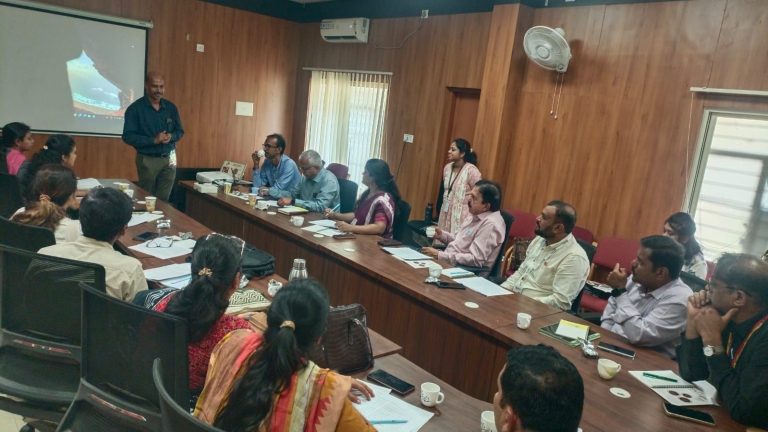
The programme launched with a comprehensive orientation led by Mr. G. Mallikarjuna Swamy, setting the context and preparing students for meaningful field engagement. The session was enriched by the presence of Mr. Ravi C. S. and the invaluable support of the Swasthya Swaraj team, whose expertise in community health and grassroots mobilization provided crucial grounding.
With this foundation in place, students have now begun their field visits, stepping out of seminar rooms and into villages, panchayat offices, health centers, and community spaces where development happens or doesn’t.
Why This Programme Matters
The CLR programme embodies what makes development education truly transformative: it refuses to treat communities as case studies to be analyzed from afar. Instead, it positions students as learners who must listen, question, and reflect on what they encounter.
 By spending two weeks embedded in Hunsur, students will gain:
- Ground-level insight into how governance, health, education, and livelihood systems actually function
- Empathy and humility that comes from recognizing the gap between policy intention and lived reality
- Critical thinking skills to question assumptions and examine development from multiple perspectives
- Practical knowledge that will inform their future work as researchers, practitioners, or policymakers
Building the Next Generation of Development Practitioners
As students navigate Hunsur’s communities over the coming days, they’re not just gathering data or fulfilling academic requirements. They’re beginning a journey toward becoming development professionals who understand that real change requires both rigorous analysis and deep human connection.
This is education as it should be grounded, engaged, and transformative.
Because understanding development means experiencing it, one conversation, one village, one moment of insight at a time. 🌍
#GRAAM #AzimPremjiUniversity #DevelopmentStudies #CommunityEngagement #SocialImpact #FieldLearning #Hunsur #Mysuru #GrassrootsEducation