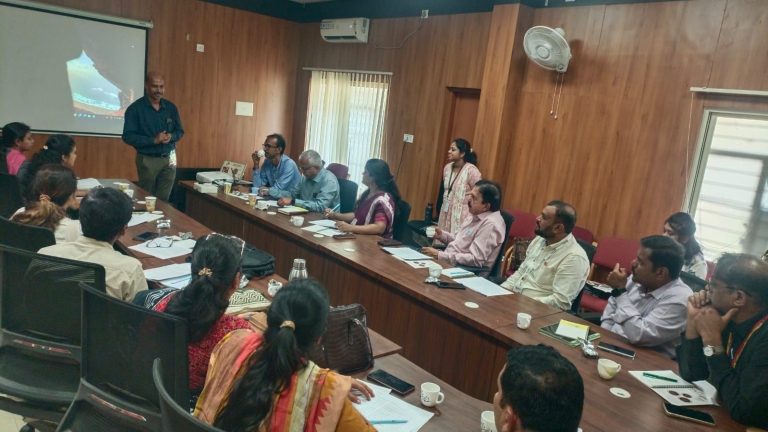
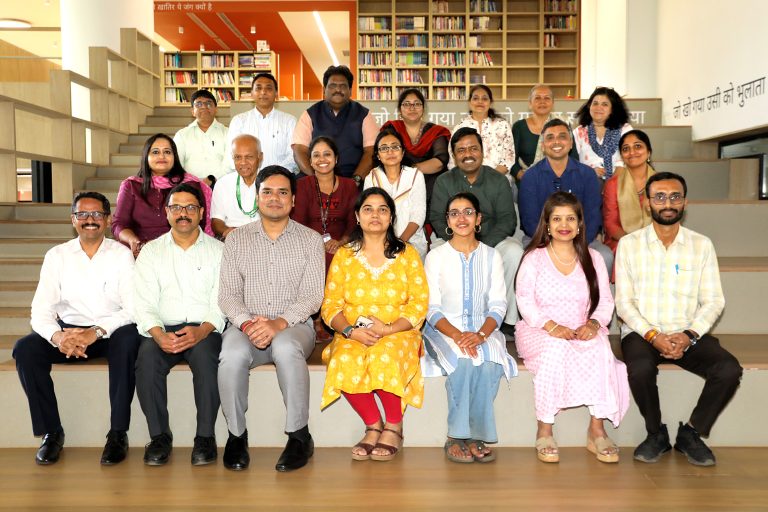
GRAAM, in collaboration with RV University and MineRVa RV Center for Leadership and Executive Education, successfully concluded the third cohort of the CSR-MEAL (Monitoring, Evaluation, Accountability & Learning) Workshop on November 13-14, 2025.

Over two enriching days, participants explored critical themes in monitoring and evaluation, engaging in hands-on activities and collaborative discussions that brought theory to practice.
What Participants Explored
The workshop covered essential frameworks and tools for strengthening CSR initiatives:
🔹 Development concepts and processes — Understanding how CSR fits within broader development goals
🔹 Monitoring & Evaluation in CSR — Building systems that track progress and measure impact
🔹 Theory of Change (ToC) — Mapping the logical pathway from activities to outcomes
🔹 Logical Frameworks — Creating structured planning tools with clear objectives and indicators
🔹 SMART Objectives — Ensuring goals are Specific, Measurable, Achievable, Relevant, and Time-bound
🔹 Social Return on Investment (SROI) — Measuring value beyond financial returns
🔹 Building M&E plans and frameworks — Developing comprehensive monitoring systems
🔹 SDG Localization — Understanding how global goals cascade to local planning
Reflections from the Field
Participants brought diverse perspectives from across the development sector — CSR managers, NGO practitioners, academics, and social impact professionals. This diversity enriched discussions and created opportunities for cross-sectoral learning.
One participant shared: “As someone working in the NGO space, most of my day-to-day learning comes from the field – from students, teachers, communities, and systems. Being part of the two-day CSR-MEAL Training Program helped me step back and see the bigger picture.”
Key Insights That Emerged:
MEAL as a mindset, not just a requirement: The workshop reinforced that monitoring and evaluation isn’t simply about compliance or donor reporting — it’s a strategic approach that strengthens trust, learning, and evidence-based decision-making.
Connecting field experience to frameworks: Revisiting tools like SMART Objectives, Theory of Change, Log Frames, and SROI helped participants connect their on-ground experiences to structured planning models.
Understanding different stakeholder perspectives: Participants gained insights into how CSR managers operate between their Boards and NGO partners, valuing clarity, credible monitoring, visibility for volunteering, alignment with CSR goals, and timely communication.
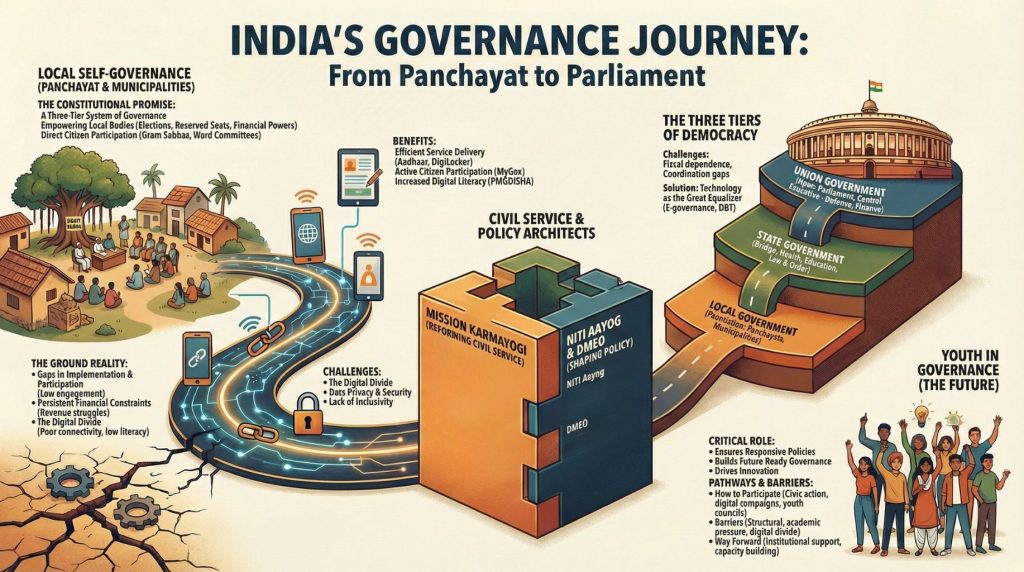
SDG integration: Understanding how Sustainable Development Goals cascade from global indicators to national and panchayat-level planning proved especially meaningful for those working in rural and community development.
Practical application through group exercises: Hands-on activities made the interlinkages between assumptions, risks, indicators, and goals tangible and immediately applicable.
Why This Matters
The workshop brought together professionals committed to strengthening the impact of CSR initiatives in India’s development landscape. Their enthusiasm, insights, and active participation created a vibrant, collaborative learning environment.
As one participant noted: “This space reaffirmed both the alignment and the immense potential for deeper collaboration between NGOs and CSR teams.”
The cohort emphasized that effective M&E isn’t just about measuring outputs — it’s about building systems that enable organizations to learn, adapt, and maximize their social impact.
Continuing the Learning Journey
Participants left equipped with practical tools and frameworks they can apply immediately in their work. Many expressed interest in deepening these skills further and continuing to explore MEAL frameworks, Theory of Change, Logical Frameworks, and SROI methodologies.
The workshop also fostered connections among professionals across sectors, creating networks that extend beyond the two-day program.
Thank you to every participant for contributing to this meaningful learning experience, and to our partners at RV University and MineRVa RV Center for Leadership and Executive Education for their collaboration in making this program possible.
Here’s to continued learning and impactful development work!