GRAAM Campus, Mysuru | June 2025
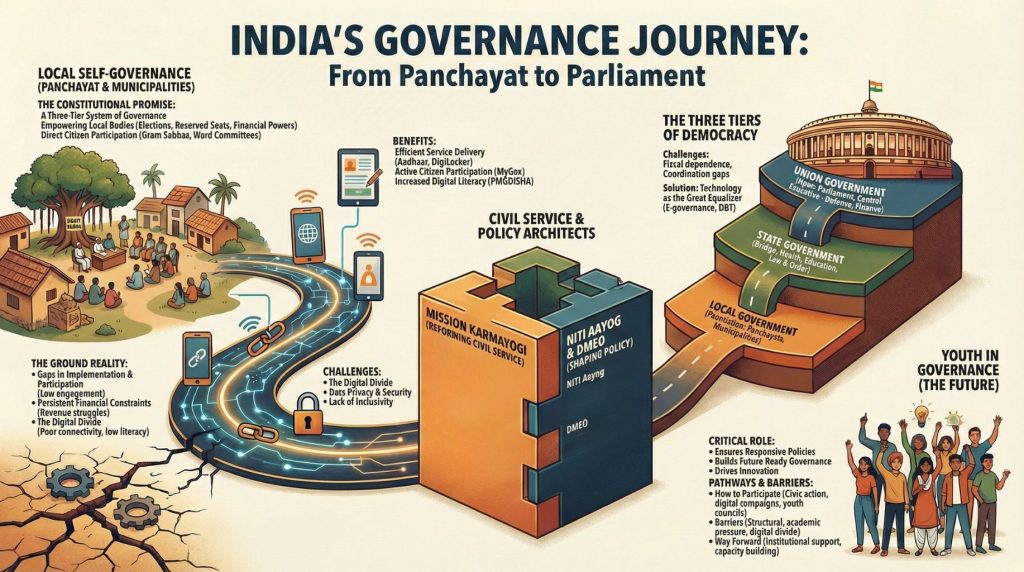
Understanding governance isn’t just about reading constitutions and policy documents. It’s about experiencing how democracy works, how debates unfold, how decisions are made, how research shapes policy, and how citizens engage with the systems that govern their lives.
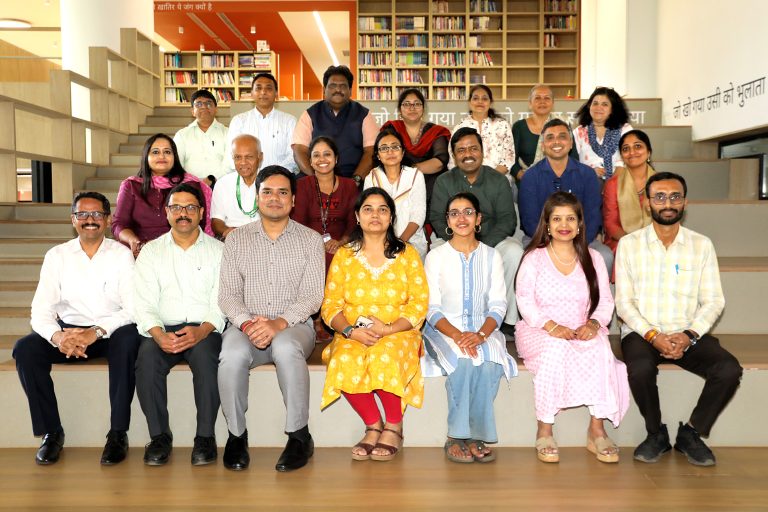
For the Youth for Governance (Y4G) Fellows, two recent sessions brought these concepts to life in ways that were both intellectually rigorous and genuinely engaging: a Sabha Game simulation that turned parliamentary procedure into an interactive learning experience, and an intensive Research Training that equipped them with the tools to investigate governance challenges systematically.
Together, these sessions represent a crucial phase in the Y4G Fellowship, moving from observation to action, from understanding systems to contributing knowledge that can improve them.
Learning Democracy Through Play: The Sabha Game Experience
How does a bill actually become law? What happens during parliamentary debates? How do opposition parties challenge proposals, and how does consensus emerge (or not) in a legislative body?
These questions came alive when Mr. Deepak Dhawan from Hanns Seidel Foundation India visited as a resource person to facilitate an engaging Sabha Game Play session with the Y4G Fellows.
Democracy as a Game (But Not Just for Fun)
The Sabha Game is a brilliant pedagogical tool, it transforms the often dry and intimidating world of parliamentary procedure into something tangible, interactive, and even enjoyable.
Through game-based simulation, fellows experienced:
- How bills are introduced in the Lok Sabha and Rajya Sabha
- The art of parliamentary debate framing arguments, countering opposition, building coalitions
- The legislative process from proposal to committee review to voting
- The role of different stakeholders government, opposition, Speaker, and civil society observers

Mr. Yogesh Kumar from Hanns Seidel Foundation coordinated the session, providing clear instructions and continuous support to ensure that the learning experience flowed smoothly. His facilitation created a safe space for experimentation, allowing fellows to take risks, make mistakes, and learn from the process.
Why This Matters
Parliamentary democracy can seem abstract when studied from afar. But when you’re assigned a role—perhaps as a ruling party member defending a controversial bill, or an opposition MP raising procedural objections, or a committee member scrutinizing the fine print the dynamics become real.
Fellows learned that democracy is messy, it involves negotiation, compromise, and sometimes gridlock. They discovered that debate skills matter, that how you frame an argument can be as important as the argument itself. They experienced firsthand how process is powerful, understanding that rules and procedures aren’t bureaucratic hurdles but guardrails that prevent arbitrary decision-making.
Perhaps most importantly, the game made governance accessible and engaging. It showed that democracy isn’t something distant and untouchable, it’s a system we can understand, participate in, and improve. By the end of the session, fellows weren’t just more knowledgeable about parliamentary procedure, they were more confident that they could navigate and influence these systems themselves.
Building the Research Muscle: Applied Research Training
A few days later, the fellows gathered again at the GRAAM Campus, Mysuru, for a different but equally critical learning experience: an intensive Research Training session that equipped them with the methodologies and tools needed to conduct rigorous, community-focused research.
Why Research Matters in Governance
Good governance requires good evidence. Policy decisions should be informed by systematic inquiry, not just intuition or ideology. And yet, much of governance research remains disconnected from grassroots realities, conducted by experts far removed from the communities they study, using methodologies that don’t capture local nuances.
The Y4G Fellowship takes a different approach. It asks fellows to become practitioner-researchers people who can both understand governance systems and investigate them critically, producing knowledge that is grounded, contextual, and actionable.
What Fellows Learned
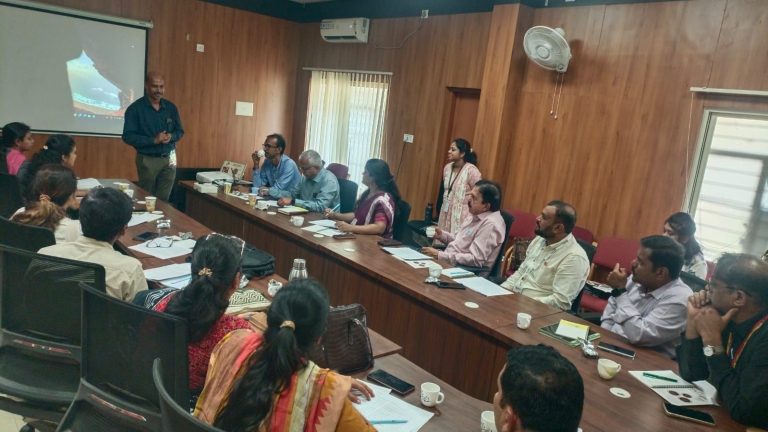
Mr. Sarath Kalliat, Head of Research of GRAAM facilitated an engaging session on Applied Research and Research Methodologies. The training wasn’t a dry lecture on research theory, it was an interactive exploration of how to generate knowledge that can drive real-world change.

The session covered essential ground: what applied research means in the context of governance, the difference between various research approaches, and how to identify questions that matter to both communities and policymakers. Fellows learned about quantitative methods like surveys and statistical analysis, qualitative approaches including interviews and focus groups, and the power of mixed methods that combine numbers and narratives for richer insights.
Particularly valuable was the emphasis on field-based inquiry, how to design research that works in real-world settings, not just controlled environments. This included critical discussions about ethical considerations when working with communities, the importance of building trust, and ensuring that research serves rather than extracts from the people being studied.
Feedback and Refinement: Learning from Dr. Basavaraju R Shreshta
The session wasn’t just about absorbing information, it was about applying it. Fellows presented their proposed research topics, and Dr. Basavaraju R Shreshta, Executive Director of GRAAM, provided constructive feedback to help refine their approaches.
This mentorship was invaluable. Dr. Basavaraju R Shreshta helped fellows sharpen their research questions, moving from vague curiosities to focused, answerable inquiries. He encouraged them to consider contextual factors, ensuring their research designs account for the realities of the communities they’ll study. His guidance helped them think about feasibility balancing ambition with practical constraints of time, resources, and access while also anticipating ethical challenges.

Crucially, he pushed fellows to think about impact from the outset: how might their findings inform policy or practice? This kind of forward-thinking ensures that research doesn’t end with a report gathering dust, but contributes to meaningful change.
By the end of the training, fellows weren’t just consumers of research, they were equipped to become producers of knowledge, understanding that good research requires rigor, empathy, creativity, and contextual sensitivity.
Two Sides of the Same Coin: Simulation and Research
At first glance, these two sessions might seem unrelated. One was playful and interactive; the other was rigorous and methodological. But they’re actually two sides of the same coin: both are about understanding systems deeply and engaging with them effectively.
The Sabha Game taught fellows how governance institutions function the rules, norms, and power dynamics that shape decision-making. The Research Training taught them how to investigate governance systems critically, how to ask questions, gather evidence, and produce knowledge that can inform better policies.
Together, they represent the dual capabilities that effective governance practitioners need: the ability to navigate systems and the ability to analyze them. These aren’t separate skills, they reinforce each other, creating professionals who can both participate in governance and contribute to improving it.
Building a Generation of Informed, Critical, Engaged Citizens
The Youth for Governance Fellowship is more than a training program. It’s an investment in India’s democratic future. Every session is designed to cultivate young people who understand governance from the inside, think critically about policies, engage constructively with institutions, and believe in the possibility of change, grounded in real experience and practical skills.
These are the leaders, researchers, policymakers, and engaged citizens that India needs. And programs like Y4G are helping to build them one session, one simulation, one research question at a time.
Because understanding governance means experiencing it and improving it means researching it. 📚
#Y4G #YouthForGovernance #AppliedResearch #Governance #PublicPolicy #GRAAM #HannsSeidelFoundation