October 28–30, 2025 | A Digital Dialogue on Health Equity, Knowledge Heritage, and Holistic Wellbeing
What does health mean for a family living deep within forest landscapes, where the nearest health facility is hours away?
How does a mother access maternal care when cultural barriers, distance, and poverty intersect?
And how can healthcare systems truly serve tribal communities if their knowledge systems, beliefs, and voices remain excluded from decision-making spaces?
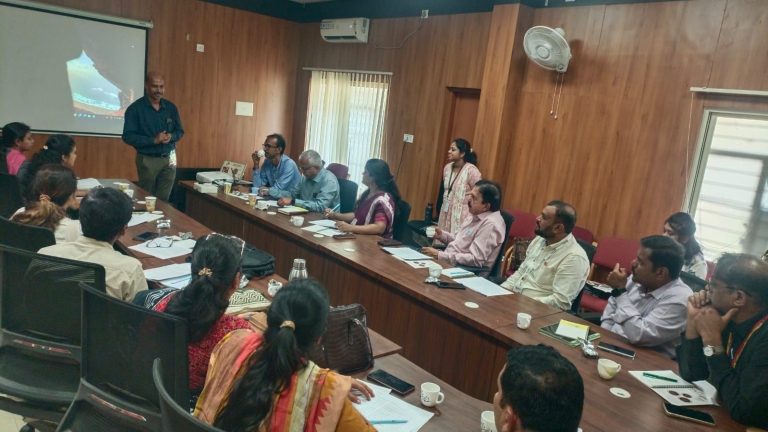
These questions shaped the foundation of the three-day tribal health webinar series organised by GRAAM (Grassroots Research and Advocacy Movement) from October 28 to 30, 2025, focusing on the health status, challenges, and future pathways for indigenous tribal communities and forest-based populations across Karnataka.
Held daily from 2:30 PM to 4:30 PM, the series created a meaningful digital space where health professionals, policy experts, researchers, government officials, traditional knowledge holders, and community representatives came together for honest, evidence-based dialogue on building equitable, culturally rooted, and sustainable health systems for tribal populations.
Why This Matters: The Urgency of Tribal Health Equity
Tribal and indigenous communities continue to face deep-rooted health vulnerabilities shaped by structural inequalities. Limited access to healthcare services, poor sanitation, unsafe drinking water, malnutrition, poverty, cultural barriers, and geographical isolation remain defining realities of daily life.
Health challenges such as malaria, anemia, high infant mortality, maternal health risks, malnutrition, and low institutional delivery rates continue to affect tribal populations disproportionately. Although initiatives like mobile medical units, community health workers, health camps, maternity homes (Maatrutva Gruha), and special government schemes have improved outreach, sustainability and long-term systemic transformation remain weak.
At the same time, tribal communities maintain a deep ecological relationship with forests and natural ecosystems, traditionally meeting nutritional and medicinal needs through forest-based food systems and indigenous healing knowledge. However, this rich heritage remains largely disconnected from mainstream public health systems.
This webinar series was organised to address a core question:
How can tribal health systems be strengthened without erasing tribal identity, knowledge systems, and cultural autonomy?
Objectives: From Access to Systemic Transformation
The webinar series moved beyond service delivery narratives and focused on systemic health transformation through the following objectives:
- Creating platforms for community participation in health governance
- Examining health inequalities across access, infrastructure, nutrition, sanitation, and preventive care
- Integrating traditional healing systems and indigenous knowledge into formal healthcare
- Promoting culturally competent healthcare services
- Framing health as holistic wellbeing (physical, mental, social, cultural, environmental)
- Generating policy-relevant insights for sustainable tribal health planning
The focus was not only on improving healthcare delivery, but on reimagining healthcare systems through community-centered and culturally grounded approaches.
Three Days of Deep Engagement
Day 1 focused on strengthening access to public health services, addressing systemic barriers, and building sustainable, community-owned healthcare models for tribal regions.
Day 2 examined food security, nutrition, sanitation, and ecological health, highlighting the inseparable link between forest ecosystems, livelihoods, and wellbeing.
Day 3 explored health from a tribal worldview, emphasizing the integration of cultural knowledge, traditional healing systems, and community-led approaches into mainstream healthcare.
Traditional healers, indigenous medicinal knowledge, and community practices were discussed as living health systems, not outdated traditions.
A Collective Vision for Tribal Health
The collective vision emerging from the series reaffirmed that tribal health cannot be achieved through infrastructure alone, but through dignity, cultural respect, community participation, and ecological justice. Sustainable tribal health systems must integrate traditional knowledge with modern healthcare, ensuring equity, inclusion, and long-term wellbeing.
A Shared Commitment to Change
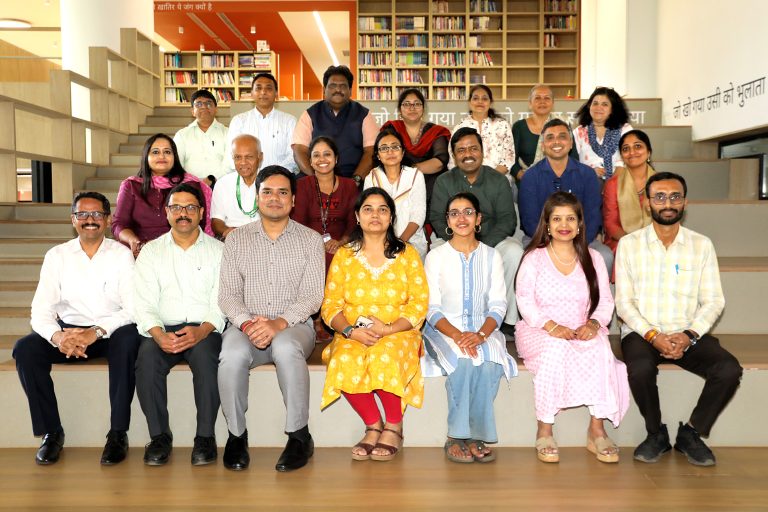
This series was organised in collaboration with government institutions, research bodies, and indigenous community organisations, ensuring that policy, research, governance, and community voices were equally represented.