GRAAM Campus, Mysuru | 2025
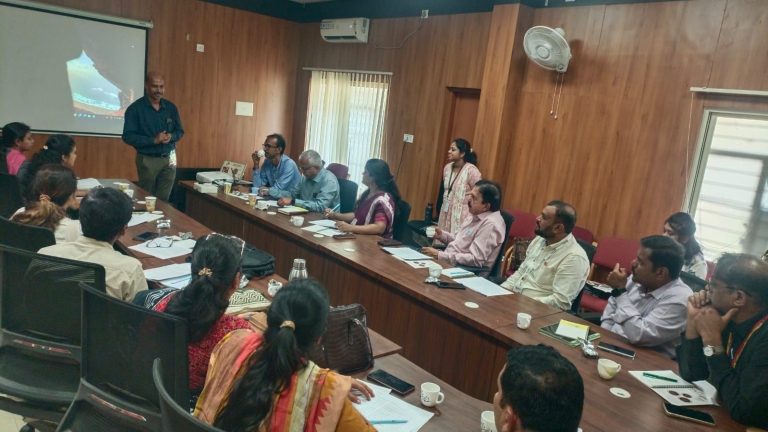
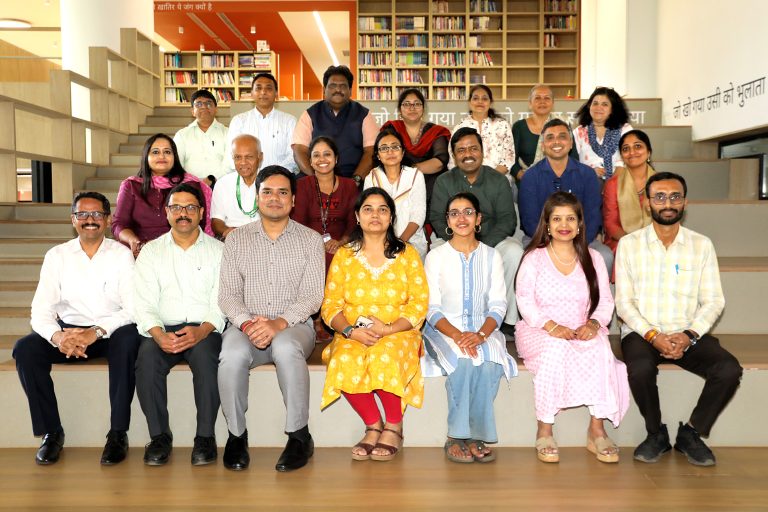
What does it take to truly solve a community problem? And what role can youth play in shaping the urban governance systems that determine the quality of life for millions of citizens? These two questions drove a pair of meaningful in-person learning sessions organized by GRAAM as part of the Youth for Governance (Y4G) Fellowship – Mysuru 2025, covering Design Thinking: Human-Centered Solutions and Youth for Active Citizenship in Urban Governance.
Session 1: Design Thinking – Solving Problems from the Inside Out
The first session was facilitated by Ms. Jayashree Krishna, who guided fellows through an engaging and creative process rooted in human-centered problem-solving.
 Fellows worked through three key stages: problem statement development, where they learned to articulate community challenges with clarity and precision; problem tree analysis, which helped them trace the root causes and consequences of governance challenges; and solution tree preparation, where they collaboratively designed innovative, people-centered solutions that address causes rather than just symptoms.
The session encouraged fellows to think deeply, listen empathetically, and approach community challenges not as outsiders with ready-made answers, but as curious, humble learners committed to understanding people’s lived realities before proposing change. The message was clear: good solutions begin with good questions.
Session 2: Youth for Active Citizenship in Urban Governance
The second session was led by Mr. Bhagavan Bidarakote, who provided fellows with an in-depth understanding of urban governance systems, civic bodies, and their roles in ensuring participatory and accountable governance.
The interactive discussion helped fellows demystify how cities are actually governed, the roles of municipal corporations, elected representatives, ward committees, and administrative officials. More importantly, it helped them see themselves as active participants in these systems rather than passive observers.
Fellows explored practical pathways for civic engagement: attending ward meetings, participating in public consultations, using grievance redressal mechanisms, and holding institutions accountable through informed, constructive engagement. The session reinforced a powerful idea: governance doesn’t happen to citizens, it happens through them.
Building Citizens Who Govern
Together, these two sessions represent a powerful combination for any aspiring governance practitioner. Design thinking provides the empathy and analytical tools to understand community problems deeply. Urban governance literacy provides the systems knowledge to navigate and influence the institutions where change happens. One without the other is incomplete but together, they equip young people to act with both purpose and precision.
These sessions mark another meaningful step in the Y4G Fellowship’s mission: empowering youth to become informed, responsible, and action-oriented citizens working toward sustainable and transparent urban governance.
Because the changemakers of tomorrow are learning to govern today.
#YouthForGovernance #Y4G #DesignThinking #UrbanGovernance #ActiveCitizenship #GRAAM #Mysuru2025