June 5, 2025 – A Date to Reflect, Recommit, and Act
Every year, World Environment Day arrives as a gentle yet urgent reminder: the health of our planet rests in the collective actions of individuals, organizations, and governments. This year, as the world rallied around the theme “Putting an End to Plastic Pollution,” the team at Grassroots Research and Advocacy Movement (GRAAM) came together across locations to reflect on our environmental footprint and renew our commitment to sustainability.
More Than Just a Day
At GRAAM, we believe that sustainability isn’t a once-a-year conversation, it’s a daily practice. But World Environment Day offers us something invaluable: a pause. A moment to step back from our busy schedules and ask ourselves, What are we doing to protect the world we live in?
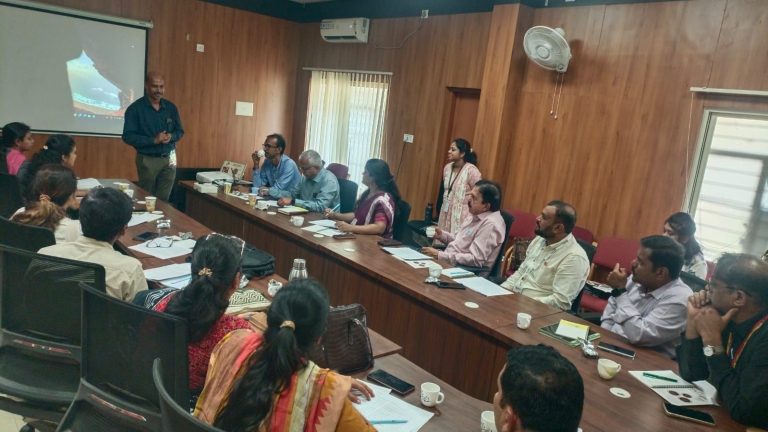
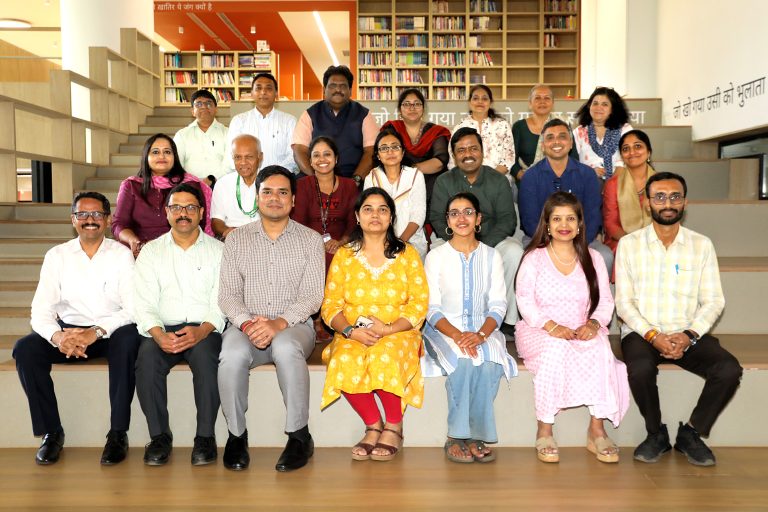
This year’s gathering, warmly hosted by Hrithika Goswami, brought together colleagues from different locations for a thoughtful exchange of ideas, insights, and inspiration. It was a reminder that environmental responsibility isn’t someone else’s job, it’s ours.

Learning from the Frontlines: A Conversation with Mr. Madhukar
We were privileged to hear from Mr. Madhukar, Assistant Executive Engineer (Environment) at Mysuru City Corporation, who joined us virtually to share his expertise on India’s evolving approach to waste management.
Mr. Madhukar’s journey itself is a testament to dedication. Promoted to AEE (Environment) in 2020-21 and posted to Tumkur City Corporation, he was later reposited to Mysuru in 2022-23, where he now leads critical environmental initiatives including solid waste management, oversight of centralized and decentralized waste processing units, and management of plastic waste processing facilities. He also serves as the State Nodal Officer for EPR (Extended Producer Responsibility) implementation under the Plastic Waste Management Rules.
Understanding EPR: Shared Responsibility for a Circular Economy
Mr. Madhukar’s session centered on India’s Extended Producer Responsibility (EPR) Policy a framework that holds producers accountable for the entire lifecycle of their products, especially post-consumer waste.
Here’s what we learned:
Who does EPR apply to?
- State and Central Government organizations
- Companies registered under the Companies Act
- Firms with a turnover exceeding ₹1 crore or employing more than 20 people
What does it require?
- Manufacturers must register on the official portal and report product quantities
- Producers must responsibly dismantle electrical components and quantify waste annually
- Items like laptops and computers containing precious metals must be fully recycled
- 60–80% of metals from approximately 100 grams of e-waste should be recovered and reused
What’s excluded?
- Products containing acid batteries, which are governed by separate regulations
The policy is more than bureaucratic compliance, it’s a blueprint for a circular economy where waste is minimized, resources are recovered, and the environment is protected.
GRAAM’s Sustainability Journey: Small Steps, Big Impact
Inspired by Mr. Madhukar’s insights, our Operations Team shared the practical steps GRAAM is already taking to reduce our environmental footprint:
- Reduced paper usage: Embracing digital-first operations wherever possible
- Conscious energy use: Simple actions like switching off lights and fans when not in use
- Mindful procurement: Being intentional about what we buy and where it comes from
- E-waste management: Partnering with recycling organizations to ensure responsible disposal
These may seem like small gestures, but when adopted consistently across an organization, they create meaningful change.
A Commitment to a Greener Future
The event concluded with a powerful message from our Executive Director: sustainability at GRAAM isn’t just about policy, it’s about culture. It’s about making conscious choices every day, from the products we procure to the way we dispose of waste. It’s about collaborating with recycling organizations, reducing e-waste, and inspiring others to do the same.

Every Action Counts
As we reflect on this year’s World Environment Day, one truth stands out: we don’t need to wait for perfect solutions to start making a difference. Whether it’s refusing a plastic bag, printing double-sided, or ensuring our old electronics are recycled responsibly, every action counts.
At GRAAM, we’re committed to walking the talk on sustainability, not just on June 5th, but every day of the year.
Because the future of our planet isn’t determined by grand gestures alone. It’s built through the quiet, consistent choices we make together.
Let’s continue the conversation. How is your organization contributing to a greener future? Share your sustainability stories with us.