Bengaluru | September 4, 2025
In a country as vast and diverse as India, meaningful change doesn’t happen in isolation. It emerges from the collaboration between corporations, NGOs, foundations, MSMEs, and social enterprises, all working toward a shared vision of sustainable, equitable development.
This spirit of collective impact was at the heart of the India CSR & Sustainability Conference and Awards 2025, organized by the Federation of Karnataka Chambers of Commerce and Industry (FKCCI) on September 4, 2025, at the Sir M. V. Auditorium, FKCCI Centenary Building, K.G. Road, Bengaluru.
GRAAM was proud to serve as an Outreach Partner for this prestigious platform, a role that allowed us to connect changemakers, amplify impactful work, and contribute to shaping the future of corporate social responsibility and sustainability in India.
Why This Conference Mattered
Corporate Social Responsibility (CSR) and Environmental, Social, and Governance (ESG) frameworks have evolved significantly over the past decade. What was once seen as philanthropy or compliance has transformed into strategic imperatives that drive business value, stakeholder trust, and long-term sustainability.
The India CSR & Sustainability Conference brought together:
- CEOs and business leaders driving sustainability agendas
- Policymakers shaping regulatory frameworks
- NGO leaders and social entrepreneurs implementing impactful programs
- Researchers and evaluators measuring outcomes and accountability
The conference was more than a networking event, it was a platform for dialogue, recognition, and collective learning about what works, what doesn’t, and how we can do better.
GRAAM’s Role as Outreach Partner
As an Outreach Partner, GRAAM played a crucial role in:
1. Expanding Reach and Participation
We worked actively to invite corporates, PSUs, MSMEs, NGOs, foundations, and social sector organizations to submit award nominations and participate in the conference. Our networks across Karnataka and beyond helped ensure diverse representation, from large corporations to grassroots organizations doing transformative work in remote communities.
2. Spreading the Word About the Initiative
Through our social media platforms, newsletters, and direct outreach, we helped amplify awareness about the conference and awards. We connected organizations working across various sectors with this opportunity for national recognition, ensuring that the call for nominations reached those doing exceptional work in CSR and sustainability across India.
3. Fostering Evidence-Based Dialogue
At GRAAM, we believe that CSR and sustainability efforts should be grounded in rigorous evidence and contextual understanding. Our involvement helped ensure that the conference wasn’t just about celebrating success, but about critically examining what drives meaningful, lasting impact.
Dr. Basavaraju R Shreshta: Panel Moderator
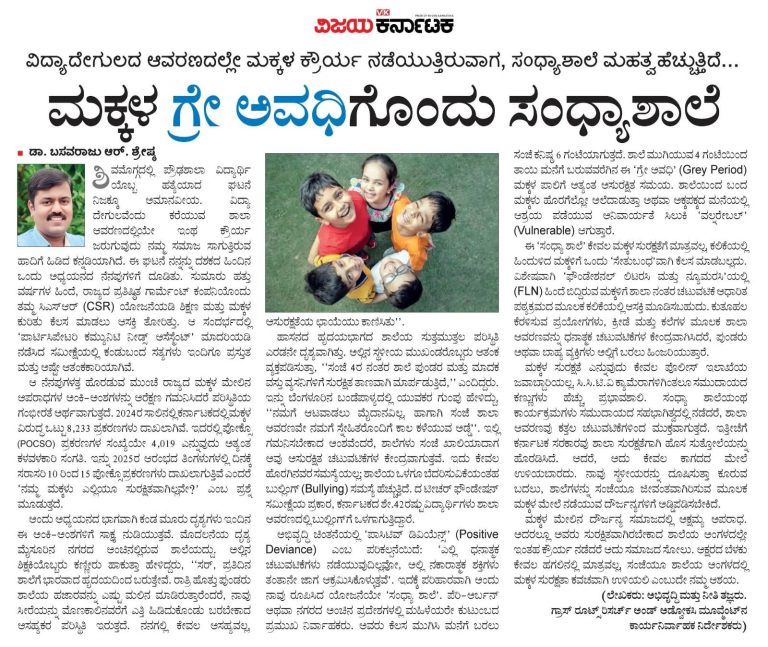
A highlight of the conference was Dr. Basavaraju R Shreshta, Executive Director of GRAAM, serving as a panel moderator for the critical session: “Responsible Management and CSR: Prioritizing Diversity and Inclusion.”
Why Diversity and Inclusion Matter in CSR
Diversity and inclusion aren’t just buzzwords they’re foundational to effective, equitable development. Too often, CSR initiatives are designed without meaningful input from the communities they’re meant to serve. Programs may be well-intentioned but miss the mark because they don’t account for the lived realities of marginalized groups, women, Dalits, Adivasis, persons with disabilities, LGBTQ+ communities, and others.
Dr. Shreshta’s panel brought together thought leaders to explore:
- How organizations can move beyond tokenism to genuine inclusion
- The business case for diversity, not just morally, but strategically
- How to ensure CSR programs reach the most marginalized, not just the most accessible
- The role of data, evaluation, and community voice in designing inclusive initiatives
- Accountability mechanisms that ensure diversity commitments translate into action
The discussion was dynamic and honest, challenging participants to examine their own practices and commit to doing better.

Event Day: A Celebration of Changemakers
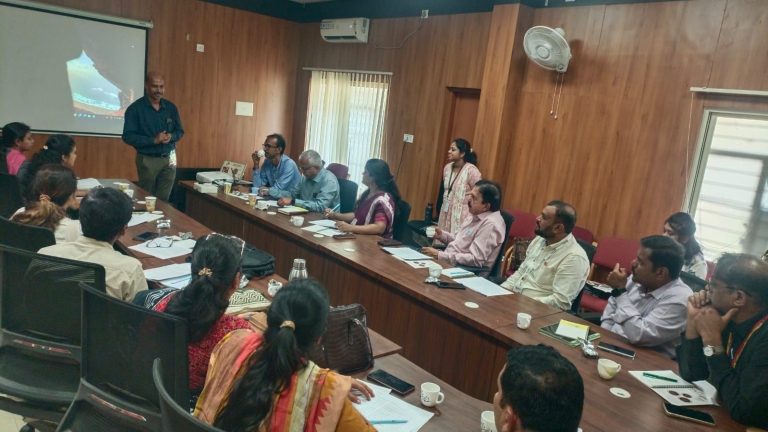
The conference kicked off at 9:00 AM with an atmosphere buzzing with anticipation. The Sir M. V. Auditorium was filled with India’s top CSR and ESG leaders, all gathered to celebrate excellence and exchange ideas.
Opening Remarks: Setting the Tone
The event began with opening remarks from FKCCI leadership, emphasizing the critical role that responsible business practices play in building a sustainable India. They highlighted how Karnataka and Bengaluru in particular has emerged as a hub for social innovation, with corporations, startups, and nonprofits collaborating to address complex challenges.
Panel Discussions and Keynote Sessions
Throughout the day, a series of panel discussions and keynote sessions covered a wide range of topics:
Session 1: Integrating ESG into Business Strategy
Corporate leaders shared how they’ve embedded ESG principles into core business operations, not as a separate CSR function, but as a fundamental driver of value creation, risk management, and stakeholder engagement.
Session 2: Measuring Impact Beyond Numbers
Evaluators and researchers discussed the challenges of measuring social and environmental impact. The conversation moved beyond simple metrics (how many beneficiaries, how much funding) to deeper questions: Are we creating lasting change? Are we reaching the most vulnerable? How do we know?
Session 3: Responsible Management and CSR: Prioritizing Diversity and Inclusion (Moderated by Dr. Basavaraju R Shreshta)
This session brought the conversation back to people, recognizing that sustainable development must be inclusive. Panelists shared case studies of programs that successfully integrated diversity considerations, as well as honest reflections on where they’ve fallen short.
Session 4: Innovation in Sustainability
Entrepreneurs and innovators showcased cutting-edge solutions from renewable energy to circular economy models to AI-driven social impact tools demonstrating that technology and sustainability can work hand in hand.
The Awards Ceremony: Recognizing Excellence
The highlight of the day was the India CSR & Sustainability Awards 2025, recognizing organizations that have demonstrated exceptional commitment to social impact and environmental responsibility.
Award categories included:
- Excellence in Environmental Sustainability
- Best CSR Initiative in Rural Development
- Outstanding Contribution to Women’s Empowerment
- Innovation in Skill Development & Livelihood
- Leadership in Diversity and Inclusion
- Best ESG Reporting & Transparency
From GRAAM’s perspective as an Outreach Partner, it was deeply gratifying to see organizations we’d connected with throughout the nomination process being recognized on this national platform. Each award represented not just an achievement, but a ripple of impact, communities transformed, lives improved, ecosystems protected.
Networking and Collaboration
Beyond the formal sessions, the conference provided invaluable networking opportunities. During breaks and informal conversations, partnerships were formed, ideas were exchanged, and commitments to collaborate emerged.
For GRAAM, these interactions reinforced why we do this work. We met:
- Corporations seeking NGO partners for community-led initiatives
- Foundations looking for research partners to rigorously evaluate their programs
- Social enterprises exploring scale-up opportunities with corporate support
- Government officials interested in evidence-based policy informed by CSR learnings
Key Takeaways from the Conference
Several themes emerged throughout the day:
1. CSR is Evolving from Charity to Strategy
The most impactful organizations view CSR not as compliance or philanthropy, but as strategic investment in long-term sustainability and stakeholder value.
2. Evidence Matters
There’s growing recognition that good intentions aren’t enough. Programs must be designed based on evidence, implemented with rigor, and evaluated honestly.
3. Inclusion is Non-Negotiable
Sustainable development that doesn’t center the most marginalized isn’t truly sustainable. Diversity and inclusion must be embedded in every stage—from design to implementation to evaluation.
4. Collaboration Amplifies Impact
No single organization can solve complex social and environmental challenges alone. Partnerships between corporations, NGOs, government, and communities are essential.
5. Accountability Drives Progress
Transparency in reporting, willingness to learn from failure, and commitment to continuous improvement distinguish truly impactful organizations from those simply checking boxes.
Looking Ahead: GRAAM’s Continued Commitment
As the conference concluded, GRAAM reaffirmed our commitment to fostering evidence-based dialogue, supporting meaningful CSR initiatives, and connecting changemakers across sectors.
Our work as an Outreach Partner for this conference is part of a broader mission: building an ecosystem where research informs practice, where community voices shape policy, and where collaboration drives sustainable, equitable development.
We’re grateful to FKCCI for the opportunity to contribute to this important platform, and to all the organizations, corporate and nonprofit, who are doing the hard, essential work of building a better India.
At GRAAM, we believe that sustainable development requires collaboration, evidence, and a deep commitment to equity. Through research, advocacy, and partnerships, we work toward a future where CSR and sustainability truly transform lives.
Because impact isn’t measured by what we intend, it’s measured by the change we create. 🌱
Hashtags:
#CSR #FKCCI #IndiaCSRAwards2025 #FKCCICSR2025 #SustainabilityChampions #CSRMatters #ImpactWithPurpose #ResponsibleIndia #Changemakers2025 #BuildingSustainableFutures #CSRLeadership #SustainabilityInAction #SDG #GRAAM #DiversityAndInclusion #ESG