Can a district balance rapid economic growth while fiercely protecting its unique ecological heritage? Kodagu is out to prove it can. A comprehensive long-term roadmap called the Inclusive and Sustainable District Development Plan (ISDDP)-2031 is currently being shaped to guide the region’s public policies and smart investments over the next five years.
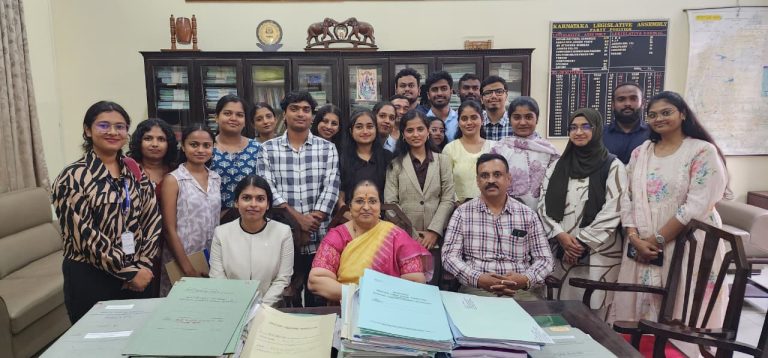
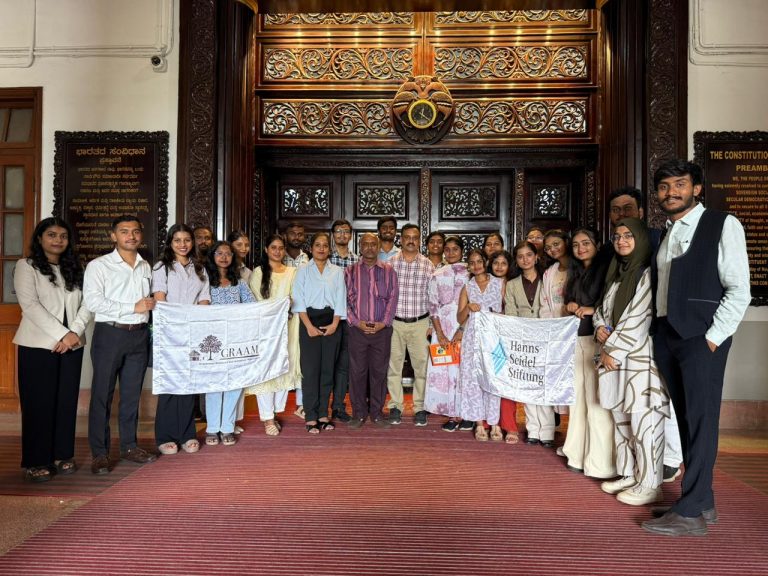
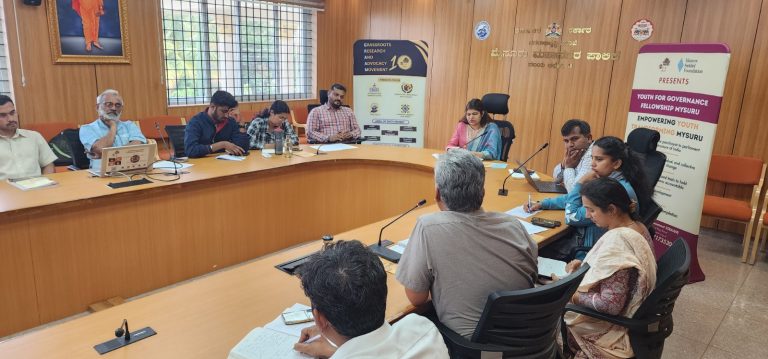
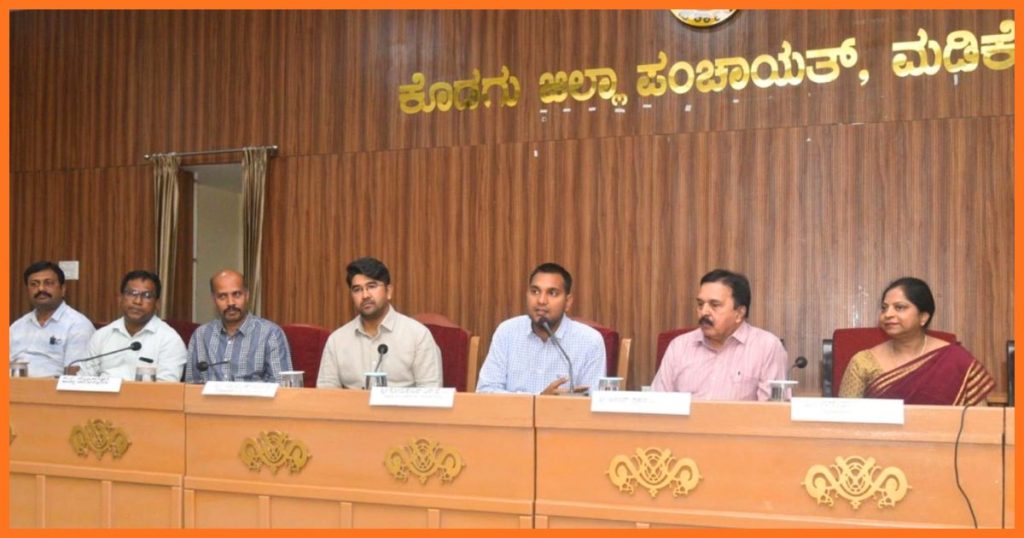
Instead of relying on top-down mandates, this strategic initiative places local voices and evidence-based data at the heart of its planning. The project team has spent the last few months closely collaborating with local governance bodies, environmental experts, and district administrators. By gathering and validating extensive field data across crucial sectors, including sustainable agriculture, eco-tourism, rural livelihoods, education, and healthcare,the initiative is mapping out the exact development gaps that need urgent attention.
The final output will be a highly practical master plan that directly aligns Kodagu’s distinct regional needs with global Sustainable Development Goals (SDGs). By designing tailored strategies for climate-resilient farming and green infrastructure, the initiative ensures that future infrastructure development does not come at the cost of the district’s famous forest cover and water resources. This collaborative effort by GRAAM bridges the gap between grassroots realities and high-level policymaking, ensuring a prosperous, climate-smart future for the entire community.
Key Takeaway / Impact
The initiative successfully completed foundational sector reviews and stakeholder mapping across Kodagu, establishing an evidence-based data framework to deliver a sustainable development blueprint aligned with global SDGs by 2031.
Join the Conversation
How can modern districts balance aggressive infrastructure growth with environmental conservation? Share your innovative ideas and thoughts in the comments below!