True rural healthcare transformation goes far beyond building hospitals; it requires making wellness an integral part of daily life. In Hunsur Taluk, a grassroots health movement has been officially catalyzed to achieve exactly that. Through a tech-driven campaign titled “Namma Arogya, Namma Kariya Yojane” (Our Health, Our Action Plan), a decentralized model is shifting the focus from treating illness to preventing it.
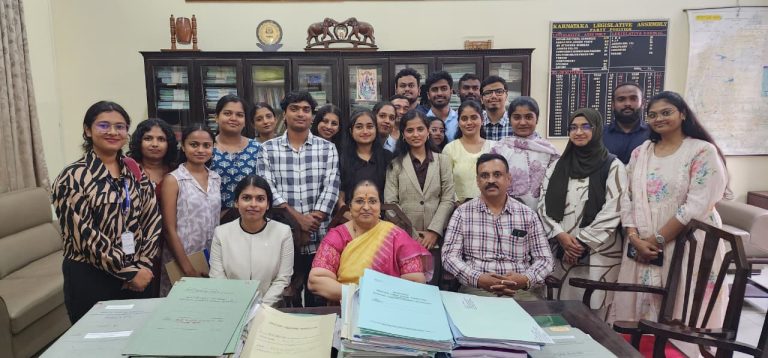
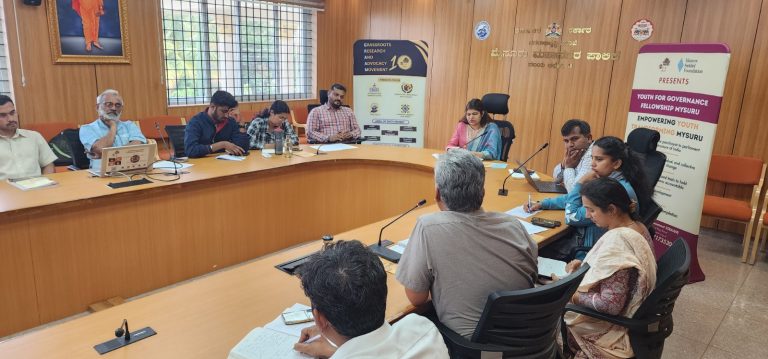
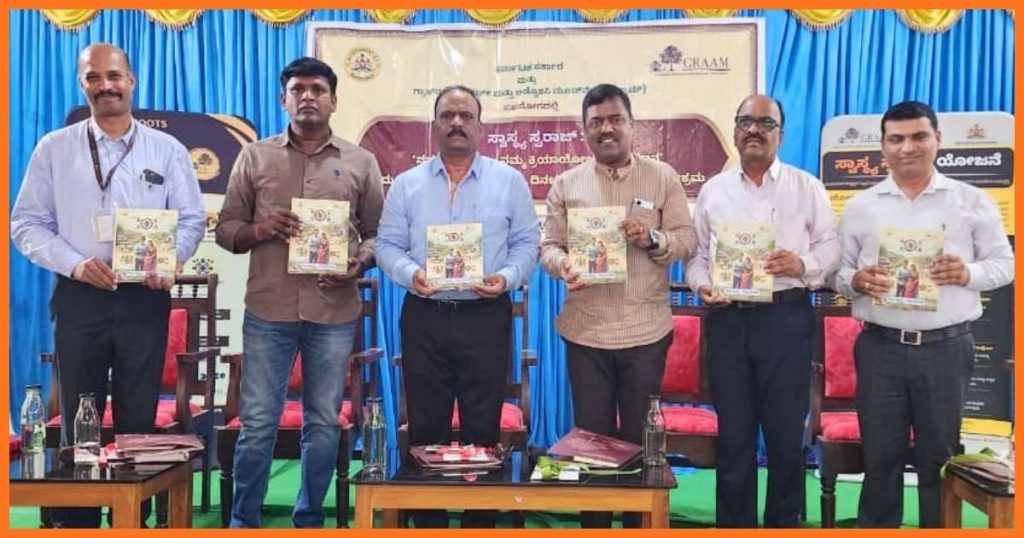
Over 400 project stakeholders, including dedicated ASHAs, Anganwadi workers, and senior state officials, recently gathered to launch this community-led initiative. The timing is vital. Rural areas are facing a sharp increase in lifestyle diseases; field statistics reveal that 25% of the local population battles high blood pressure, 14% suffers from diabetes, and non-communicable diseases are rising rapidly.
To bridge the information gap, the Grassroots Research and Advocacy Movement (GRAAM) deployed a powerful triple-pronged strategy using technology and advocacy. Strategically placed electronic digital display boards now provide villagers with real-time public health advisories. Alongside this, households received “Nanna Swasthya– Nanna Dinachari” (My Health– My Diary), a structured resource enabling women and adolescent girls to track their daily wellness habits.
To further amplify health awareness and encourage community participation, the team launched a social media reels contest as part of the campaign’s outreach efforts. The initiative aimed to engage citizens in meaningful conversations around health, inspire positive behavioural change, and transform awareness into action. By breaking institutional silos, the campaign brought together the health, rural development, and women and child development departments, creating a collaborative ecosystem that places health management back in the hands of informed and empowered communities.
Key Takeaway / Impact By merging digital tools, tracking diaries, and inter-departmental cooperation, the initiative has successfully transformed passive rural healthcare into an active, community-led prevention movement capable of national replication.
Join the Conversation
How can technology and public participation further optimize community-led healthcare? Share your insights and thoughts in the comments below!