True structural reform in public healthcare requires a careful balance of local trust, technical readiness, and clear community alignment before a single step is taken on the ground. Following its impactful strides in transforming rural wellness across Karnataka, the Swasthya Swaraj Project has officially commenced its expansion into Madhya Pradesh, successfully establishing its technical and operational foundations.
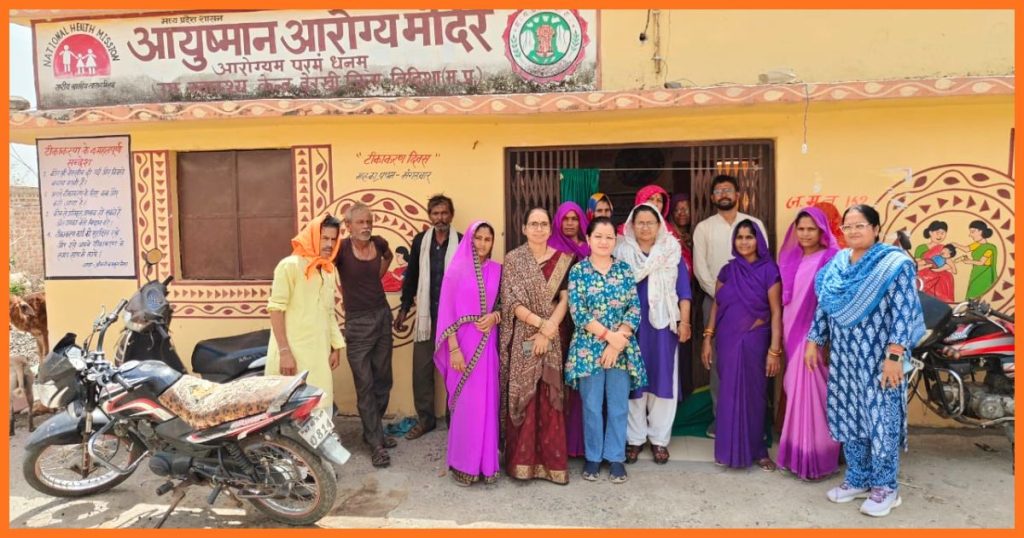
The expansion focuses on building a sustainable blueprint for decentralized health governance in the Ganj Basoda block of Vidisha district. To ensure the initiative respects the distinct cultural and structural nuances of the region, the team has meticulously adapted its entire primary training framework and health communication materials into Hindi. This localized shift bridges the information gap, ensuring clear, accessible grassroots interaction from day one.
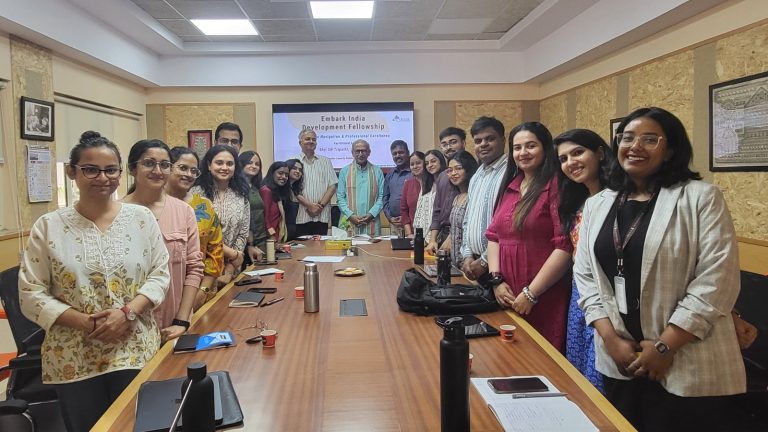
Beyond language, the initiative has prioritized systemic readiness. Newly recruited field teams have completed rigorous training tracks covering local governance architectures and advanced digital data collection tools. By mapping existing public health records and consulting local panchayat leaders, the team has built a highly accurate data baseline. These combined efforts set a clear stage for activating village health committees, moving rural communities away from passive dependency and driving them toward absolute ownership of their daily healthcare decisions.
Key Takeaway / Impact
The initiative successfully established its operational infrastructure in Vidisha district, Ganj Basoda, Madhya Pradesh, completely adapting all healthcare resource materials into Hindi and deploying digitally trained field teams to launch a scalable, community-led health governance model.
Join the Conversation
Building a healthcare model from scratch requires local trust and deep data accuracy. How critical do you think it is to adapt public health materials into regional languages before launching a campaign? Share your thoughts in the comments below!