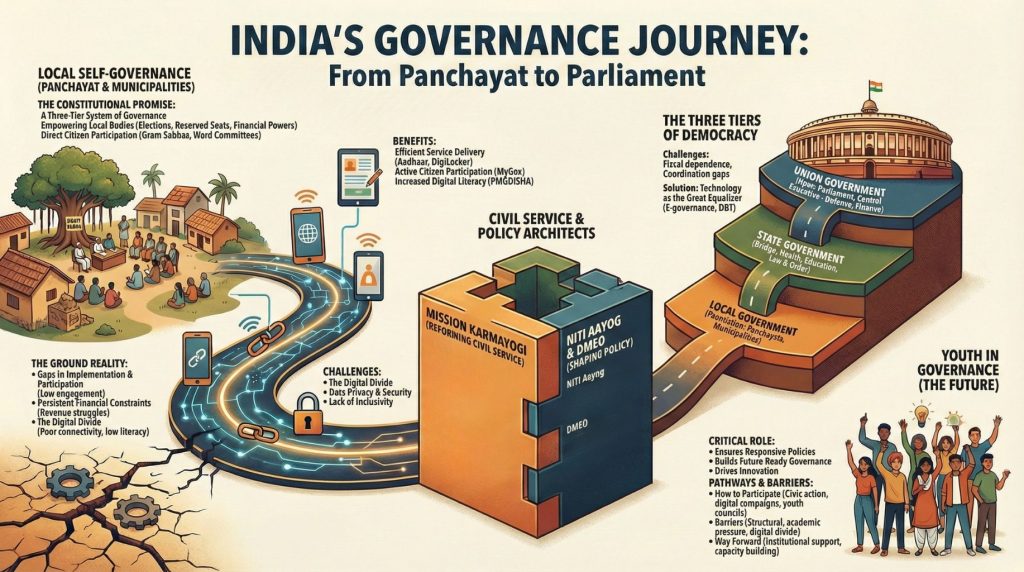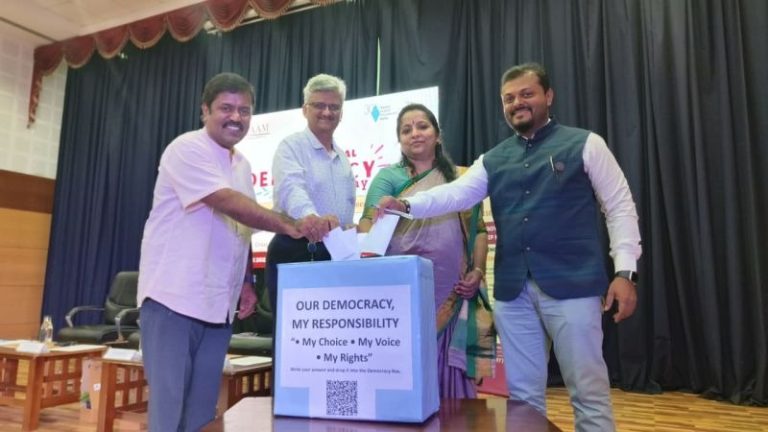
Sustainable urban development must be viewed not only as an environmental responsibility but also as an economic necessity, emphasised Dr. Oliver Bär, Governor of the District of Hof, Free State of Bavaria, Germany. Speaking at the recent Youth for Governance (Y4G) Talk in Mysuru focused on youth empowerment, sustainable urban growth, and bilateral partnerships, he stressed that economic and environmental policies must align to build future-proof cities.
Key Highlights of the Event
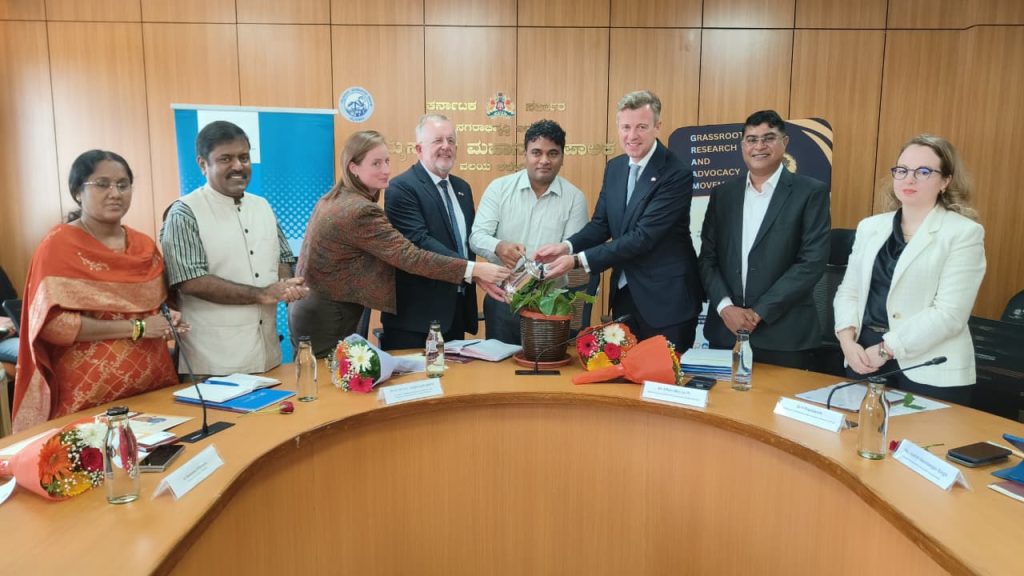
The dialogue was jointly organised by the Grassroots Research and Advocacy Movement (GRAAM), Hanns Seidel Foundation India (HSF), and the Mysuru City Corporation (MCC).
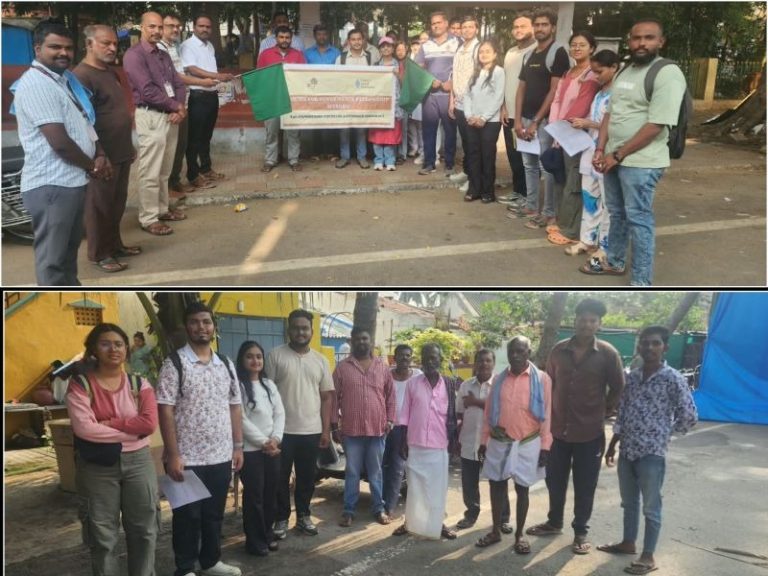
Symbolic Inauguration: The event commenced with a symbolic watering of plants, reinforcing the core message that present-day development must not compromise the resources of future generations.
Youth Leadership: The main goal was to integrate young people into governance and find technology- and design-thinking-driven solutions to real urban challenges.
Green Transformation: A New Path to Economic Growth
Citing the example of Hof, Germany, Dr. Oliver Bär noted that both Hof and Mysuru share strong manufacturing ecosystems.
“Green transformation is not only a part of our environmental obligation; it is an economic necessity for us. The government, universities, research institutions, and the economy have to work together. These are the key factors.”
— Dr. Oliver Bär, Governor, District of Hof
He also shared Hof’s progress in water management, renewable energy, digital innovation, and the Smart City programme.
University-City Governance Partnerships
Academic leaders at the event strongly advocated for closer ties between educational institutions and municipal governance:
- Research and Governance: Universities must generate evidence-based solutions for urban issues. A proposal was made to set up an Urban Research and Innovation Cell bridging the Mysuru City Corporation and local academic institutions.
- Bilateral Cooperation: Prof. Dr. h.c. Jürgen Lehmann, President of Hof University of Applied Sciences, highlighted that partnerships between Hof and Mysuru institutions will offer students and researchers valuable global exposure in sustainable urbanization.
- Waste Management and Civic Engagement: Youth can lead community action starting at the household level in areas like waste segregation, public sanitation, and circular economy models.
Youth as Co-Creators, Not Just Observers
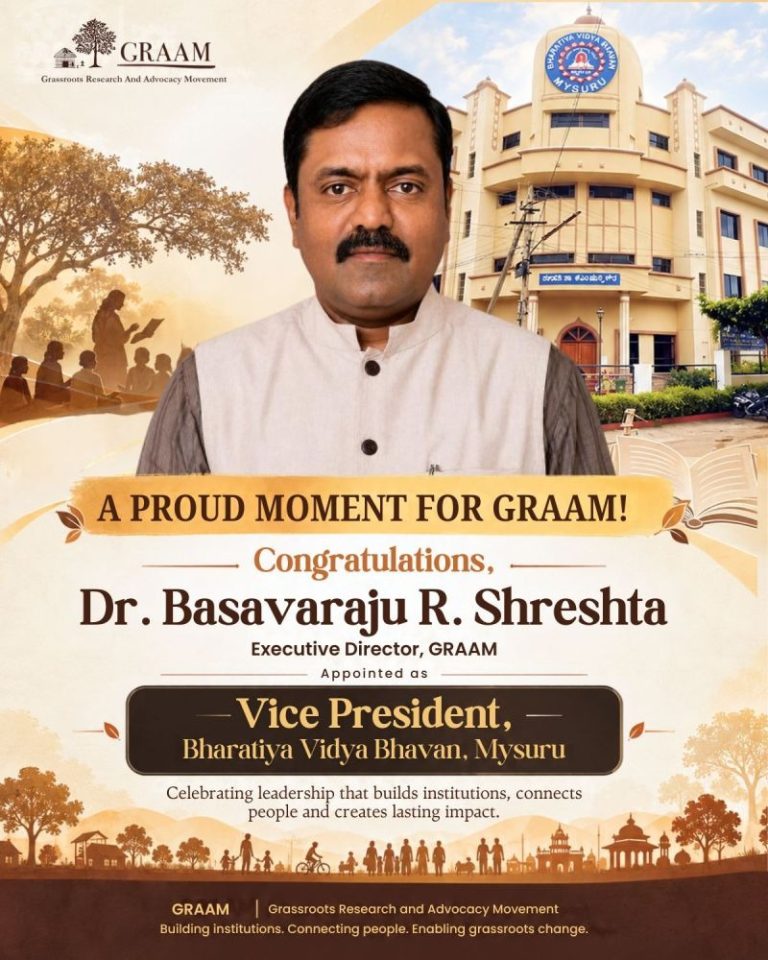
Dr. Basavaraju R. Shreshta, Executive Director of GRAAM, stressed that solving city challenges requires human-centred design rather than just massive financial resources. He urged young people to step up as co-creators of civic solutions alongside local authorities.
The event also marked the release of the Compendium of studies by the Y4G Fellows, covering key research on Mysuru’s governance, waste management, street vending, and public infrastructure.
Conclusion
This bilateral dialogue between Mysuru and Hof underscores the vital role of global cooperation and local youth leadership in sustainable urban development. Only when governments, citizens, academia, and the youth collaborate can we build resilient, future-ready cities.
Join the Conversation
How do you think citizens and young people can effectively collaborate with local government to make our cities more sustainable and eco-friendly? Share your thoughts in the comments below!