Behind the misty hills and sprawling coffee plantations of Kodagu lies a complex web of environmental and social challenges. From increasing human-wildlife conflicts to the precarious socio-economic status of plantation workers, creating lasting development requires solutions grounded in true local experiences.
To address these core issues, a comprehensive effort under the Inclusive and Sustainable District Development Plan (ISDDP)-2031 has made significant strides. By gathering and validating data across 187 key development indicators from 24 government departments, the project team is building a reliable snapshot of the district’s overall growth and the true ground realities of the district.
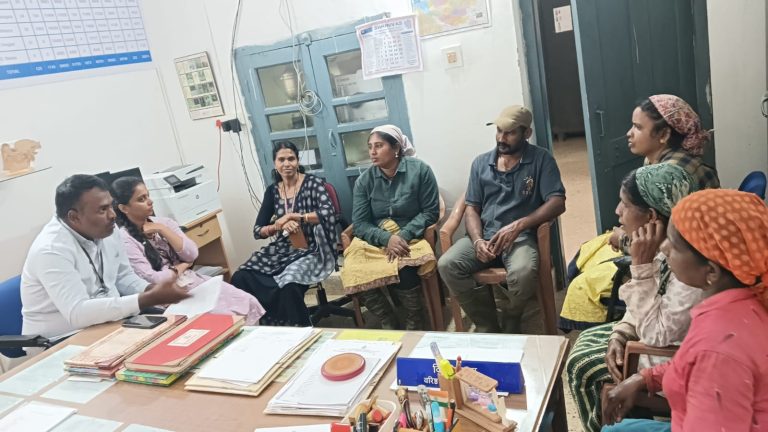
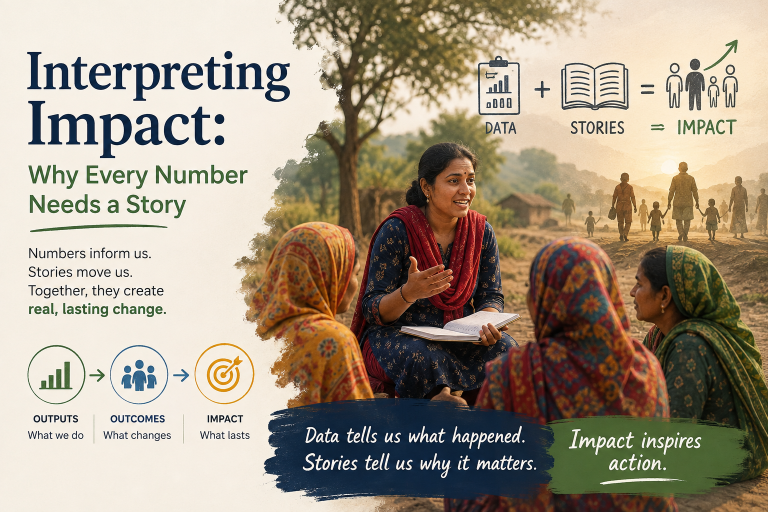
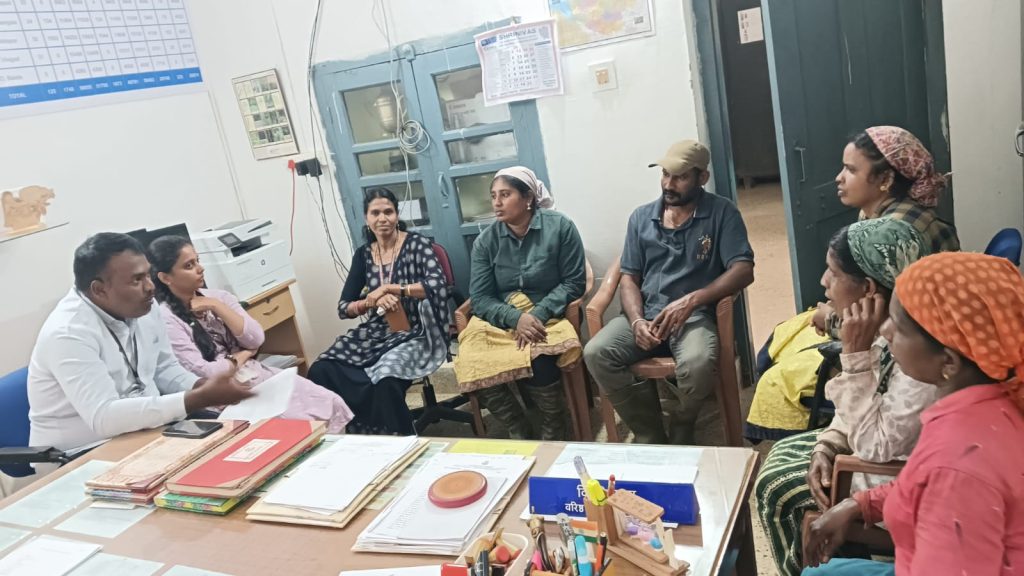
However, numbers alone cannot capture human stories. To bring real voices into policy design, field researchers conducted intensive field visits, engaging various department and required grassroots staff and community through 7 focus group discussions and detailed 13 interviews across the region. These insights directly inform 6 focused case studies addressing the district’s most pressing priorities:
• Eco and Sustainable Tourism in Kodagu
• Issues and Challenges Faced by Coffee Plantation Workers in Kodagi
• Issues Related to Early Childhood Development in Kodagu
• Human–Wildlife Conflict in Kodagu
• Disaster-Prone Gram Panchayats in Kodagu
• Solid Waste Management in CMC Madikeri
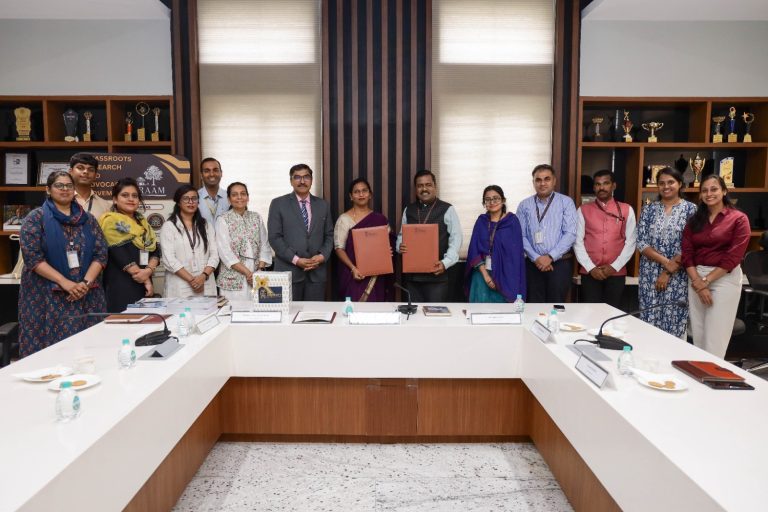
District administrators strongly endorsed this grounded approach, emphasizing that meaningful planning must resolve burning issues faced by local communities. Spearheaded by GRAAM, this evidence-based initiative ensures that strategic recommendations move beyond raw data to deliver realistic, actionable outcomes.
Key Takeaway / Impact
By combining multi-departmental data with authentic community feedback, the ISDDP-2031 framework provides a practical roadmap to safeguard Kodagu’s environment, livelihoods, and future resilience.
Join the Conversation
What local challenges in your district need evidence-based solutions? Let us know in the comments!