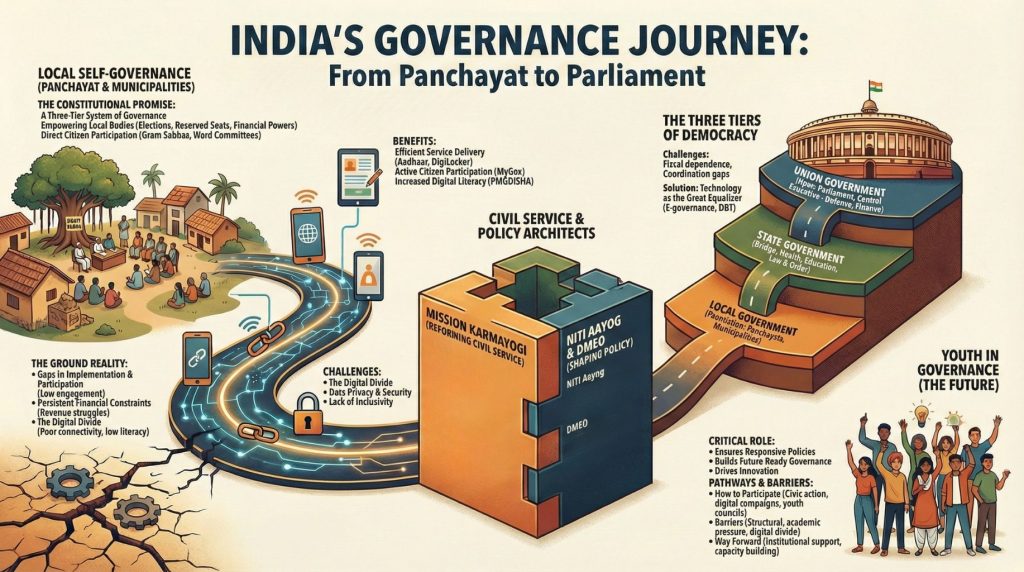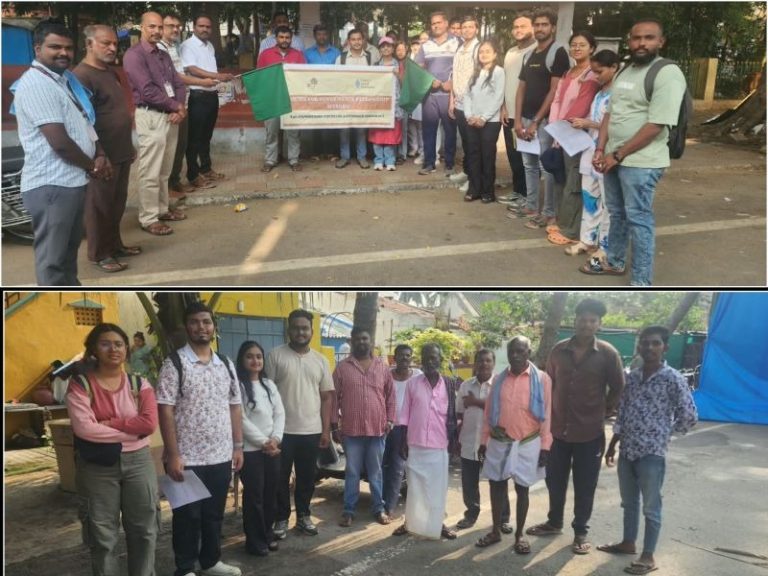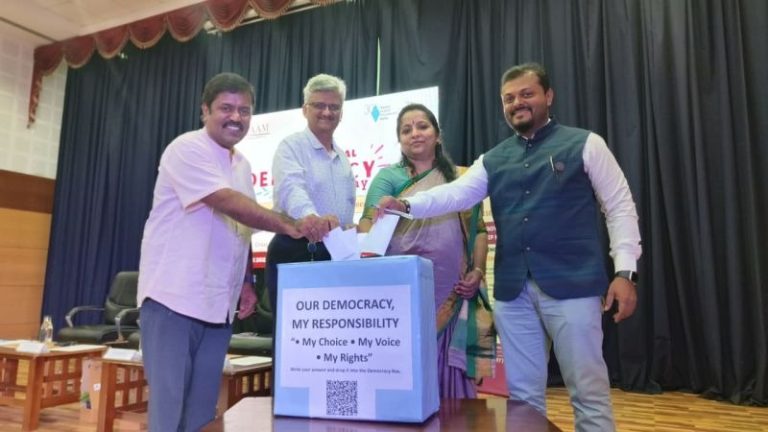
Frontline healthcare workers are the backbone of rural health systems, serving as the immediate bridge between communities and essential care. Understanding where these dedicated workers excel—and where they need extra support—is crucial for making primary healthcare truly effective.
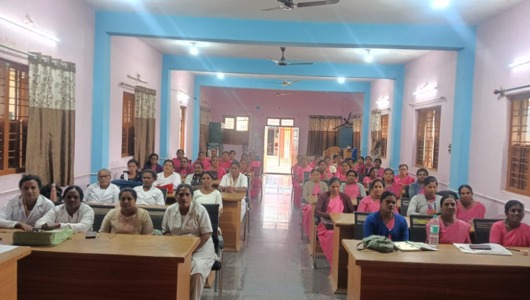
To address this, a structured competency mapping exercise was conducted for 169 frontline personnel. The group included Panchayat Development Officers (PDOs), ASHA workers, Anganwadi workers, Primary Health Officers, and Community Health Officers. Using a standardized proctored evaluation, the assessment systematically measured skills across three core dimensions: domain expertise, functional efficiency, and behavioral traits.
Instead of a one-size-fits-all training model, this initiative identified specific skill gaps among different cadres. The resulting data enables the design of tailored capacity-building programs, ensuring future training directly meets the actual needs of workers on the ground.
By grounding skill development in evidence, the team at GRAAM supported local administrative structures in making health governance more responsive. Upward skill enhancement directly translates to better service delivery, improved patient interaction, and stronger Panchayat-led primary health administration at the village level.
Key Takeaway
Targeted competency assessments ensure that health worker training addresses real skill gaps, leading to stronger primary care and more efficient village-level health management.
Join the Conversation
How can customized training programs better support frontline health workers in your local community? Share your thoughts below!
#RuralHealthcare #FrontlineWorkers #CapacityBuilding #HealthGovernance #SkillMapping