Early childhood development requires safe spaces, proper nutrition, and active community participation. In Hunsur taluk, where 366 Anganwadi centers serve local children, strengthening the capacity of Bala Vikasa Samitis (Child Development Committees) is essential for turning government programs into meaningful community care.
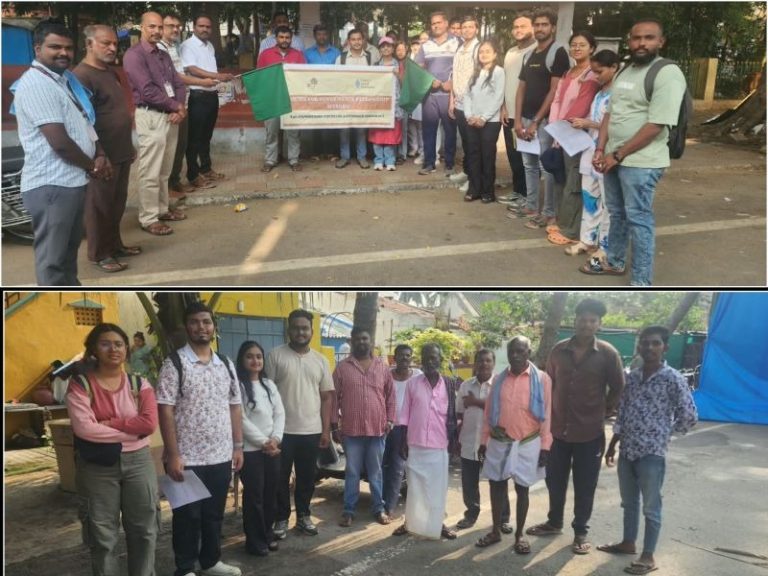
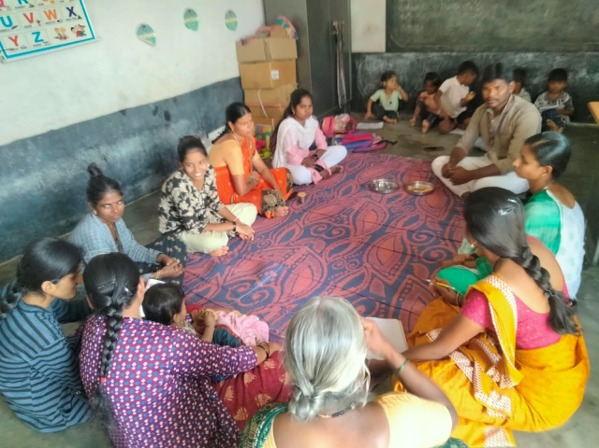
To build a practical model, an initiative was launched across 28 pilot Anganwadi centers. Guided by seven community facilitators under the Swasthya Swaraj project, each facilitator works closely with four centers. Utilizing structured video modules created in partnership with the Department of Women and Child Development, committee members received practical training on evaluating center needs.
Instead of generic guidance, the committees are creating localized action plans. Members learn how to engage stakeholders to upgrade basic infrastructure, build engaging learning environments, ensure the delivery of quality nutrition, and drive community participation.
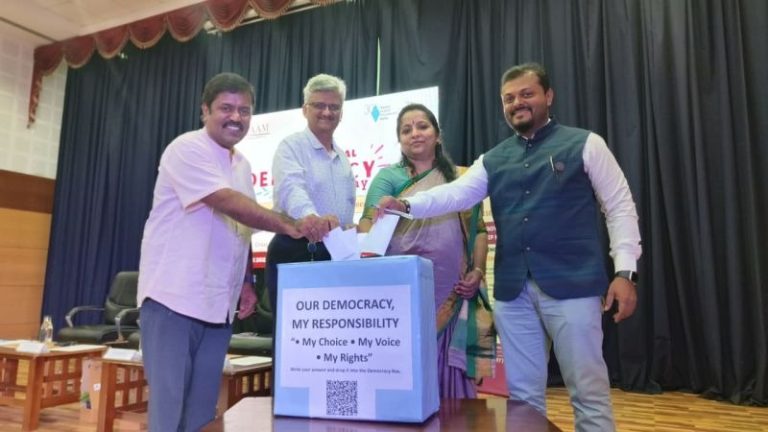
This capacity-building effort extends directly to primary healthcare. Following these sessions, 27 Jana Arogya Samiti (JAS) meetings were convened across sub-centers in September alone. During these initial post-training meetings, committees conducted facility gap analyses. They identified critical needs—such as securing land for center buildings, ensuring continuous water supply, and building local action plans to bridge service delivery gaps.
By equipping local committee members with practical tools, GRAAM helps rural communities actively shape child welfare and healthcare governance at the grassroots.
Key Takeaway
Empowering local Anganwadi committees with actionable training improves early childhood infrastructure, nutrition monitoring, and grassroots health governance.
Join the Conversation
How can local community members actively contribute to improving Anganwadi facilities in your village? Let us know your thoughts!
#ChildDevelopment #AnganwadiCare #GrassrootsGovernance #Hunsur #CommunityHealth