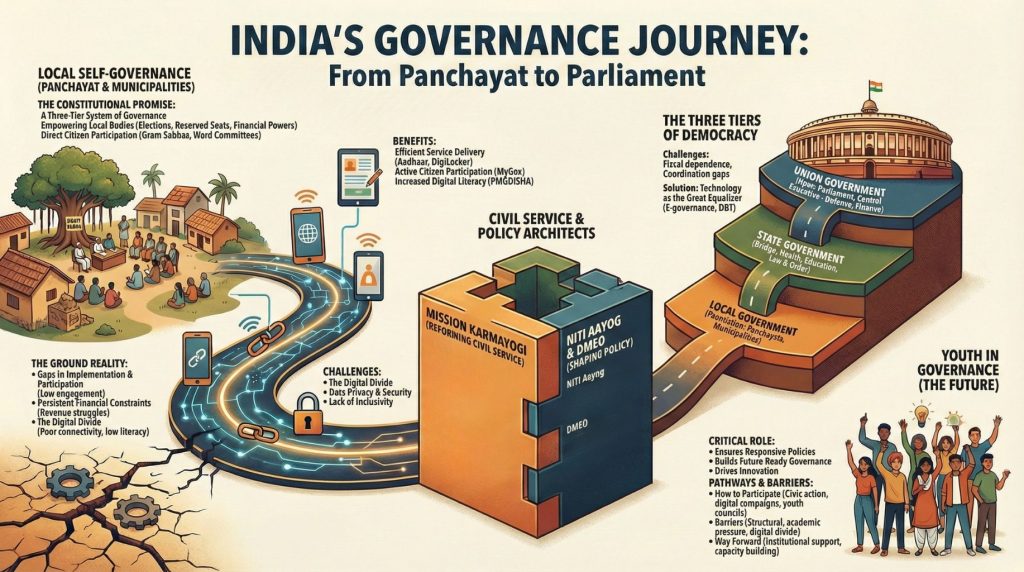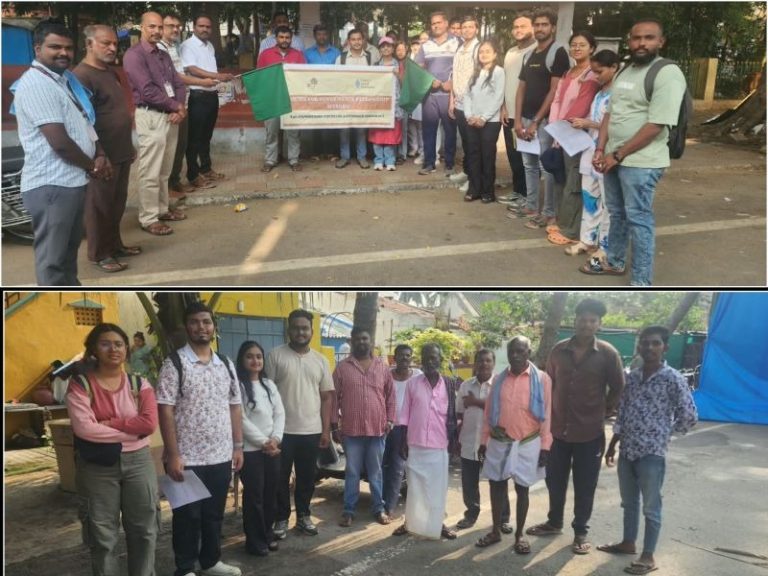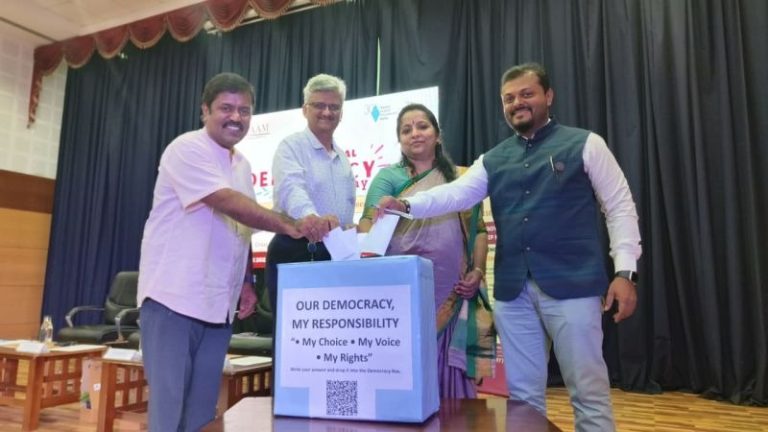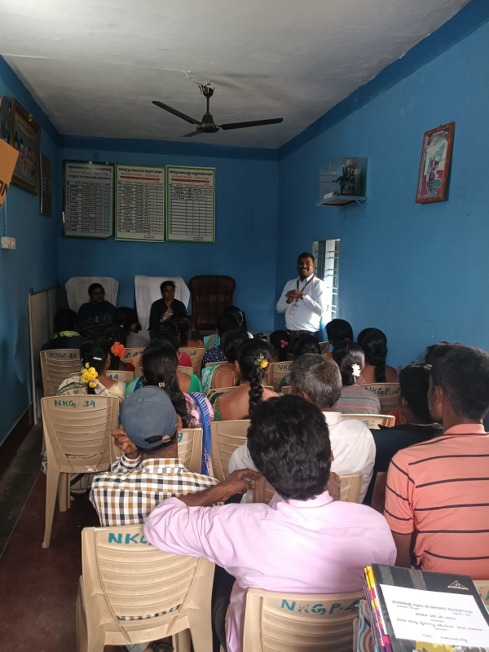
Protecting a child’s future requires a strong, united community. In the forest-fringe Panchayat of Neralakuppe in Hunsur taluk, grassroots leaders and frontline workers recently came together for a crucial multi-departmental convergence meeting aimed at eliminating child marriage and preventing teenage pregnancies.
The gathering brought together key local stakeholders, including primary health medical officers, Panchayat Development Officers, Sanjeevini Self-Help Group leaders, Anganwadi and ASHA workers, and community members. By sharing on-the-ground insights, the group identified vulnerable families and out-of-school girls at high risk of early marriage, establishing a proactive tracking and support network.
Rather than addressing the issue in isolation, the initiative established an integrated action plan. Local health, education, police, and child welfare departments joined hands with village committees to ensure immediate intervention when risks arise. The meeting highlighted the severe health hazards associated with underage pregnancy, emphasizing confidential health counseling, community awareness, and educational support to keep girls in school.
Supported by GRAAM under the Swasthya Swaraj project, this collaborative approach shifts the responsibility of child protection from individual households to the entire community. By embedding these safety protocols into regular Gram Sabha and committee meetings, Neralakuppe is actively building a safer, child-marriage-free environment for young girls to thrive.
Key Takeaway
Cross-departmental coordination combined with active community vigilance creates a robust safety net that protects young girls from early marriage and secures their educational and health rights.
Join the Conversation
How can local community networks in your region better support and keep vulnerable young girls in school? Share your thoughts below!
#ChildProtection #EndChildMarriage #CommunityGovernance #Hunsur #GirlChildEducation