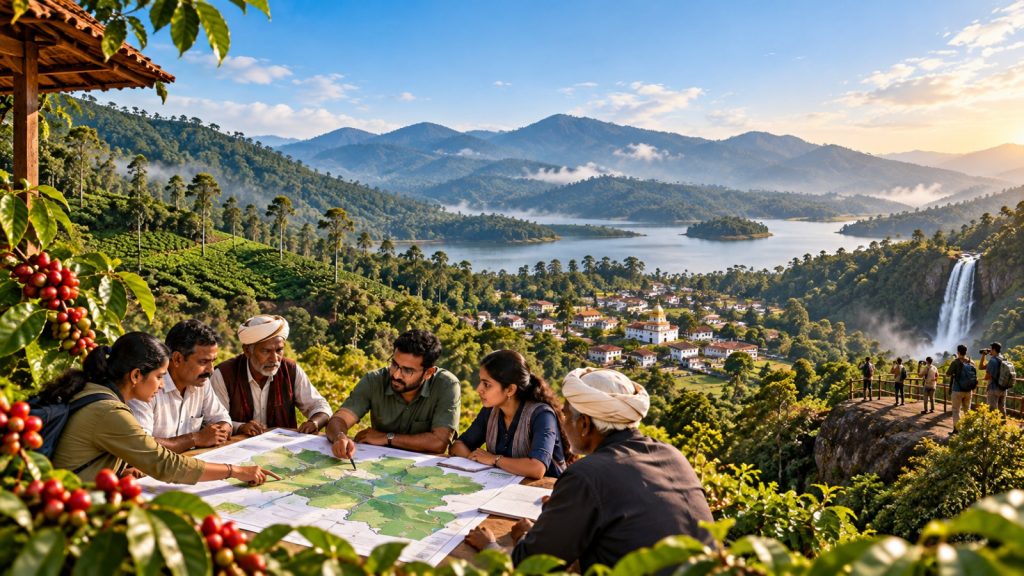
Can a region grow its economy while protecting its delicate ecological heart? For Kodagu, finding this balance requires more than standard policies—it demands a shared vision grounded in real community needs.
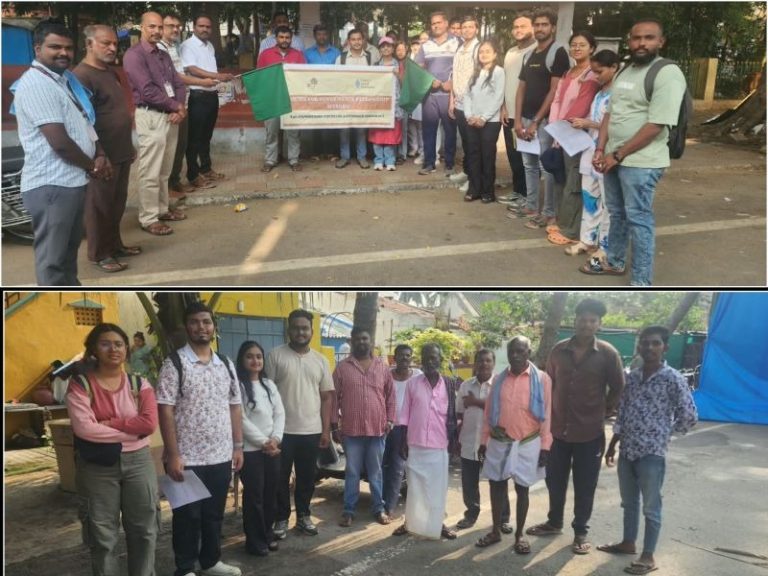
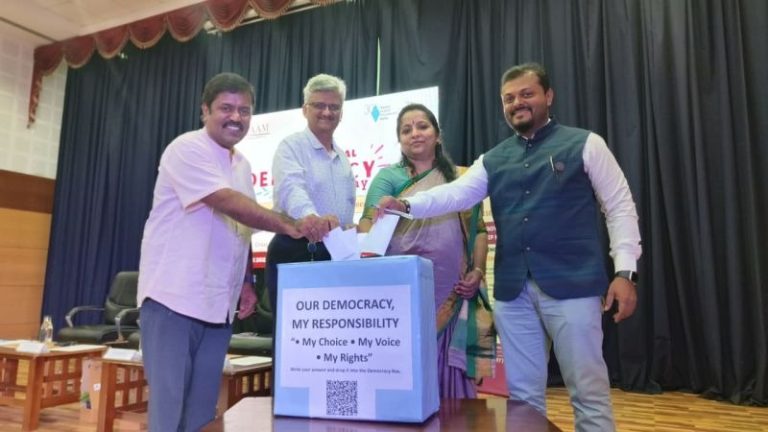
To turn this vision into action, an initiative focused on the Inclusive and Sustainable District Development Plan (ISDDP)-2031 brought together data-driven metrics and local perspectives. Through a collaborative workshop, regional stakeholders calculated customized development indices to map key developmental gaps. To understand the lived reality on the ground, the team developed six detailed case studies examining pressing socio- economic environmental challenges across the district.
These evidence-based findings were presented during review meetings across state and district leadership levels to align local priorities with sustainable goals. Instead of relying on top-down directives, the project delivers a clear roadmap for long-term growth, balancing forest preservation with resilient community livelihoods.
By connecting local insights with high-level policy discussions, GRAAM helped establish a practical blueprint for regional development. This comprehensive planning model ensures that upcoming investments in infrastructure, agriculture, and eco-tourism directly support the people who call Kodagu home.
Key Takeaway
Sustainable planning succeeds when evidence-based metrics reflect real community voices. The ISDDP-2031 framework offers a balanced, scalable model for ecologically sensitive regions across the country.
Join the Conversation
How can growing districts balance infrastructure expansion with environmental conservation? Share your thoughts below!
#SustainableDevelopment #Kodagu2031 #EcoFriendlyGrowth #GrassrootsPlanning #InclusiveDevelopment