Unlocking potential in underserved communities often begins in the classroom, but knowing which interventions truly bridge the educational divide requires careful study. Across rural communities in Jharkhand and Odisha, thousands of students rely on foundational academic support to navigate their crucial pre-matriculation years. To understand how supplementary coaching shapes these young minds, an in-depth Social Impact Assessment was undertaken to evaluate the Pre-Matric Coaching initiative supported by Tata Steel Foundation.
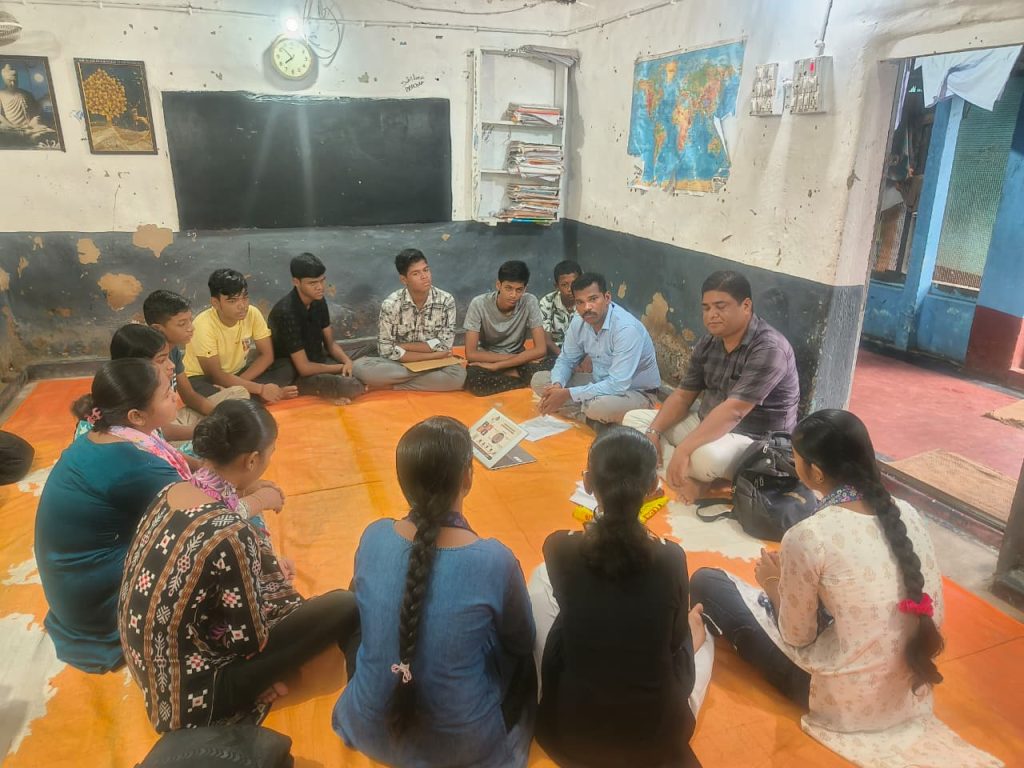
To capture an authentic picture of impact, field teams spent weeks immersed in local communities. They conducted learning assessments, quantitative surveys, and qualitative discussions with both participating students and those in control groups. Through ethnographic observations and in-depth interviews, the research team captured real stories of academic growth, building confidence, and overcoming daily learning hurdles.
Every piece of gathered information was carefully verified through rigorous field checks. Now in the detailed analysis stage, the study compares treatment and control data alongside qualitative themes to understand how the coaching program truly functions. The resulting evaluation will offer clear, evidence-based insights to help refine future educational interventions, ensuring that every student receives the targeted guidance needed to succeed.
Key Takeaways & Impact
Rigorous Field Evidence: Evaluated student progress across Jharkhand and Odisha using structured learning assessments and control group comparisons.
Grassroots Insights: Captured qualitative stories, student experiences, and classroom dynamics through focus groups and ethnographic observations.
Actionable Guidance: Delivered validated data analysis to strengthen pre-matriculation educational support for rural youth.
Join the Conversation
What role do you think targeted supplementary coaching plays in improving academic retention for rural students? Share your thoughts below!