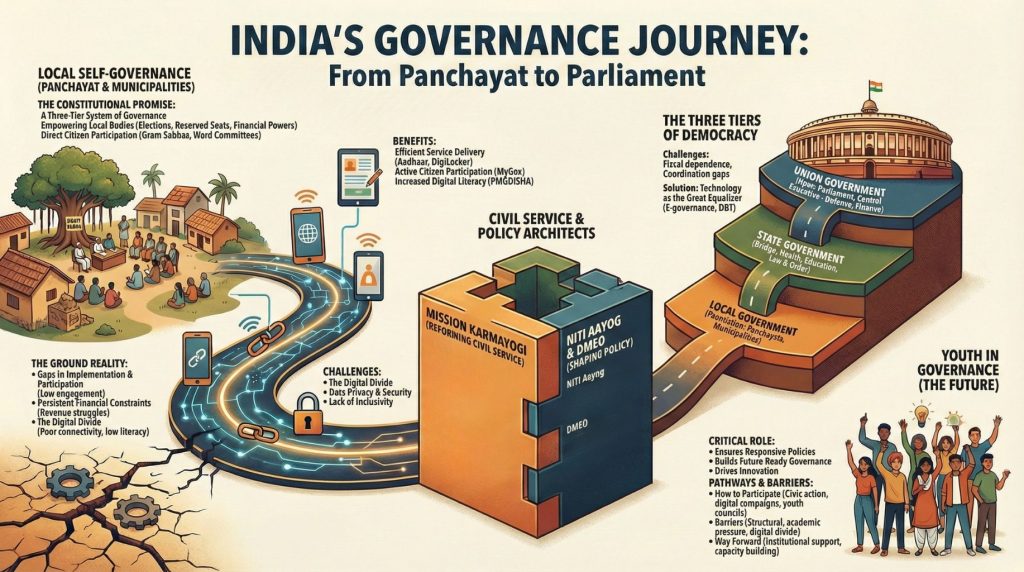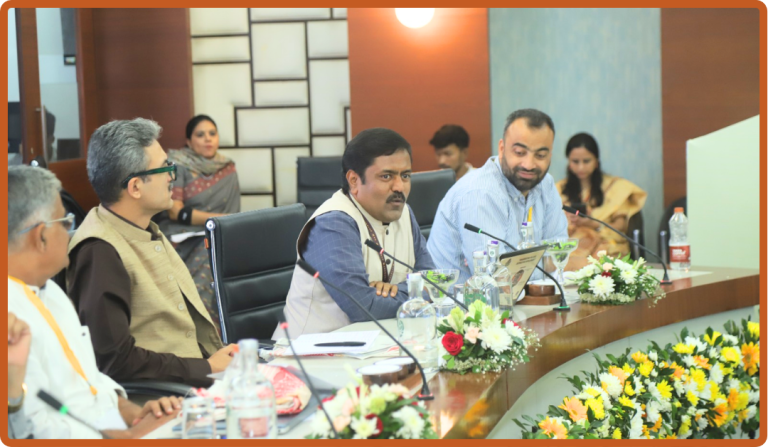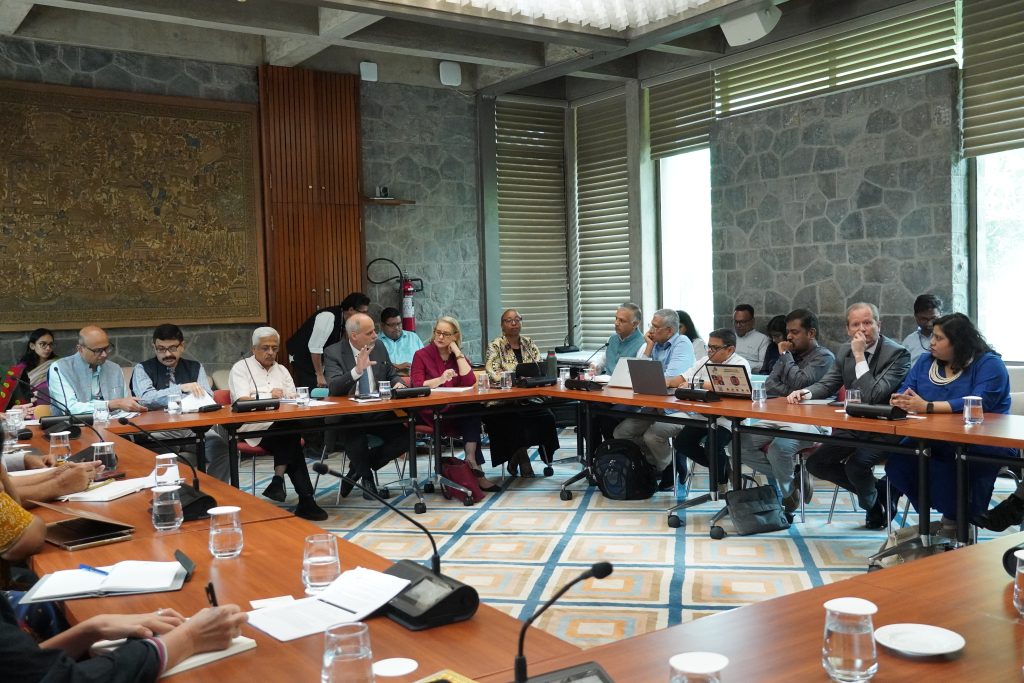
Global development strategies achieve their true potential only when grounded in the real-world experiences of rural communities. As the 2030 Sustainable Development Goals horizon approaches, shaping the next era of development requires bridging local insights with national policy frameworks. At a high-level consultation convened by NITI Aayog and the United Nations in India, Dr. Basavaraju R. Shreshta, Executive Director of GRAAM, represented two decades of community-led research to ensure grassroots priorities guide India’s post-2030 agenda.
The consultation brought together policymakers, scholars, and development practitioners to chart inclusive pathways for equitable growth. Drawing from extensive fieldwork in rural governance and local economic empowerment, the organization emphasized localized planning, regenerative ecology, and community ownership. Rather than relying solely on top-down frameworks, the team highlighted how shifting toward “for-benefit” business models and Southern-focused financing can protect vulnerable populations against future economic and climate disruptions.
By contributing practical field evidence to this national dialogue, the organization helps ensure future policy decisions remain rooted in community realities. Bridging rural experiences with high-level planning lays the groundwork for sustainable growth where no village is left behind.
Key Takeaways & Impact
Grassroots Advocacy: Represented two decades of community-driven field evidence in national post-2030 policy discussions.
Localized Development: Advocated for community ownership, ecosystem regeneration, and equitable financing models.
Resilient Policy Design: Contributed practical framework priorities to strengthen local responses against climate and economic shocks.
Join the Conversation
How can national policy frameworks better incorporate the lived experiences of rural communities? Share your thoughts below!