Introduction
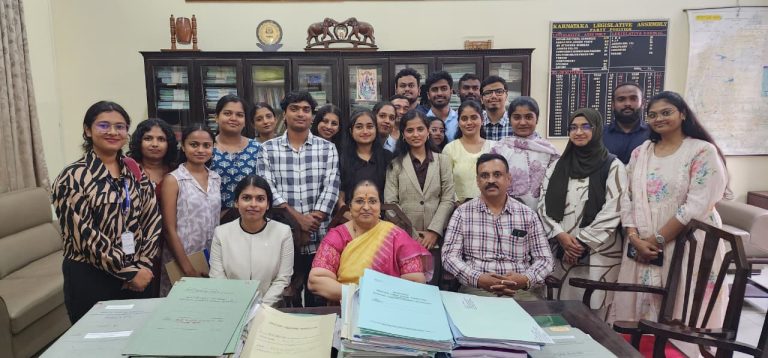
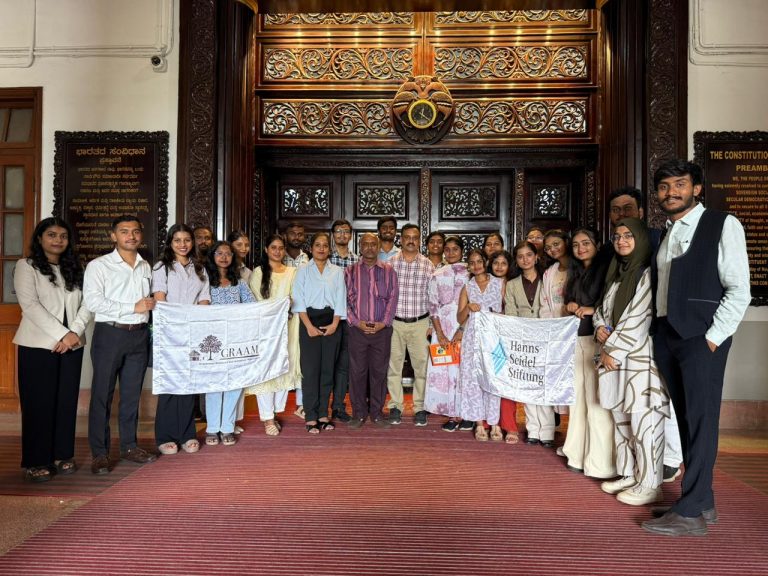
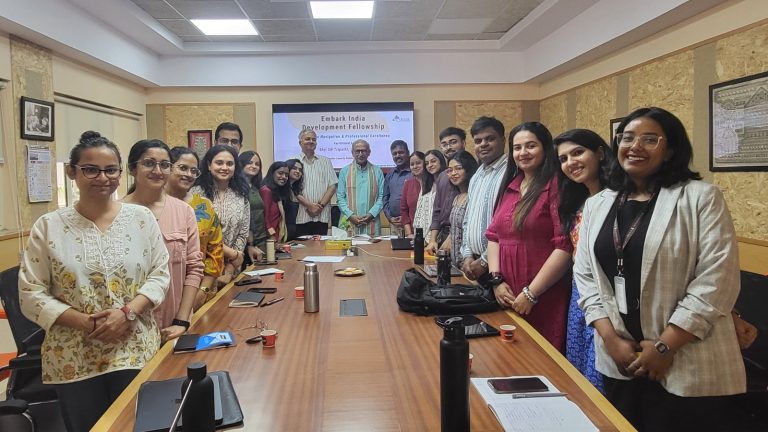
The Grassroots Research and Advocacy Movement (GRAAM) successfully conducted the Policy Bootcamp from April 9th to 12th, 2025, at its Mysuru campus. This immersive learning initiative bridged the gap between policy theory and grassroots realities for public policy students from Mount Carmel College Autonomous Bengaluru. The bootcamp focused on analyzing participatory governance within India’s health system, with a specific emphasis on local self-governance structures.
Bootcamp Overview
The Policy Bootcamp 2025 hosted approximately 40 Master of Public Policy & Master students in economics from over 12 states in India. The intensive program combined online preparatory sessions with a four-day immersive offline experience in Mysuru. The curriculum was designed to provide students with a comprehensive understanding of decentralized health systems, the 73rd Amendment, and the roles of key community structures, including Village Health Sanitation and Nutrition Committees (VHSNCs), Jana Arogya Samitis (JAS), and Panchayati Raj Institutions (PRIs).
Program Highlights
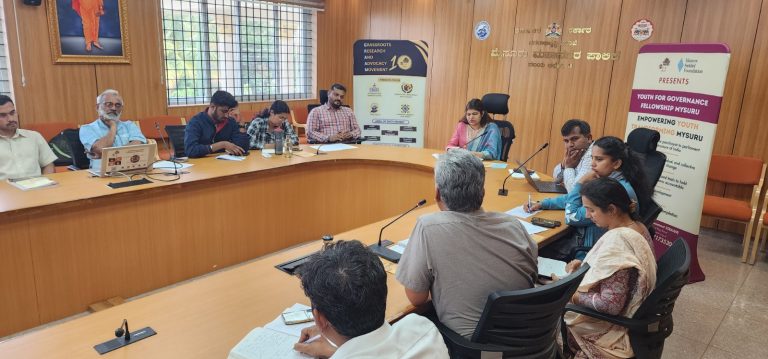
The bootcamp included a combination of classroom sessions and fieldwork, providing students with both theoretical knowledge and practical experience.
- Policy Review: Students reviewed constitutional, national, and state policies related to decentralized health governance.
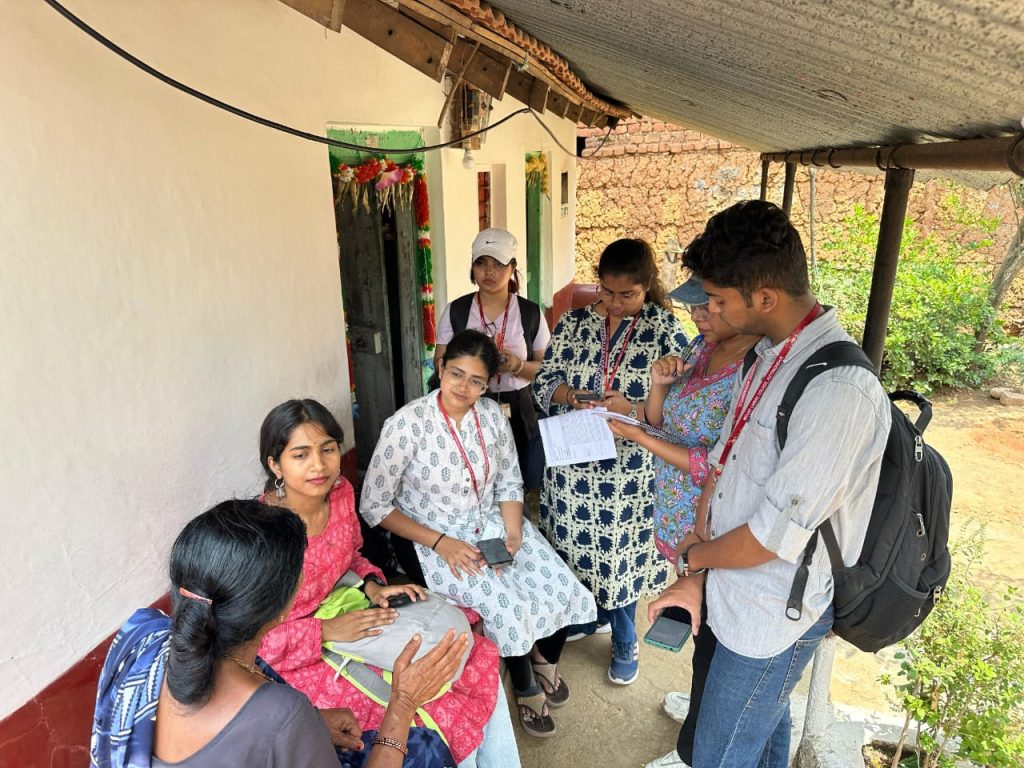
- Field Research: Students conducted field visits to Bilikere, Mallinatha pura, and Geenahalli villages. They interacted with key stakeholders, including Gram Panchayat members, health officials, Anganwadi workers, ASHA workers, ANMs, and community members, through Focus Group Discussions (FGDs) and In-Depth Interviews (IDIs).
- Decentralized Health Systems Analysis: Students examined the functioning of decentralized health systems, health committees, and related institutions at the grassroots level.
- Policy Gap Analysis: The bootcamp facilitated a critical analysis of the observed realities compared to the intended policy frameworks.
- Competency Framework Evaluation: Assessed stakeholder capabilities.
- Research Tool Development: Students developed questionnaires and research tools.
- Data Analysis and Presentation: Students analyzed data and developed presentations to synthesize their findings.
- Policy Recommendations: Students developed evidence-based policy insights and actionable recommendations.
Outcomes and Impact
The Policy Bootcamp 2025 provided a practical and immersive learning experience. Students gained a deeper understanding of the complexities and challenges of implementing decentralized health policies. The evidence-based recommendations generated by the students will contribute to policy improvements.
GRAAM is committed to continuing such experiential learning opportunities to empower the next generation of policy leaders with a nuanced understanding of grassroots perspectives.