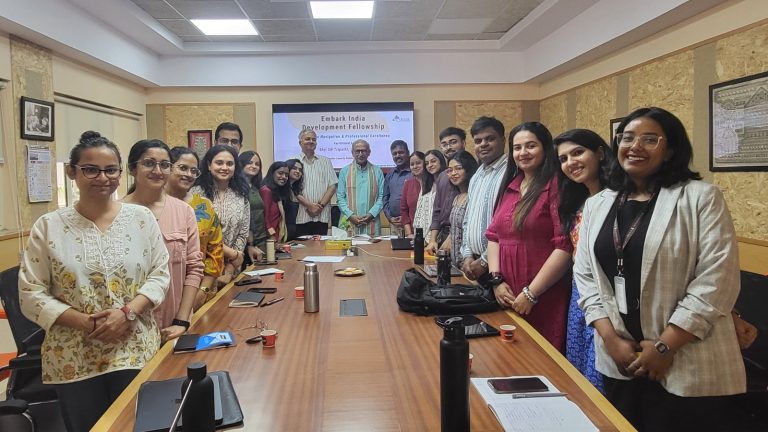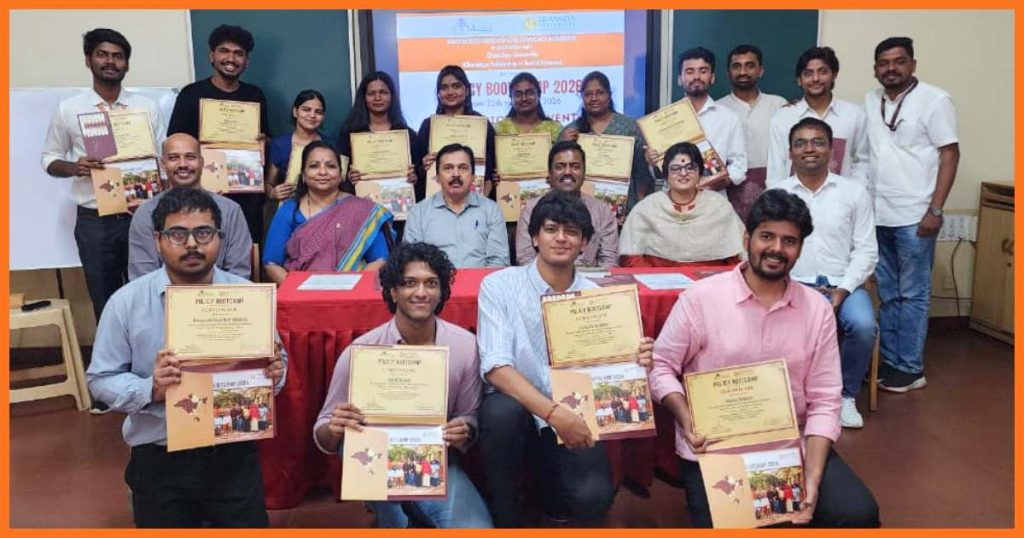
What happens when brilliant young social science scholars leave behind university lecture halls to immerse themselves in rural communities? They discover what no textbook can teach: that public policy is not merely written on paper; it is actively lived.
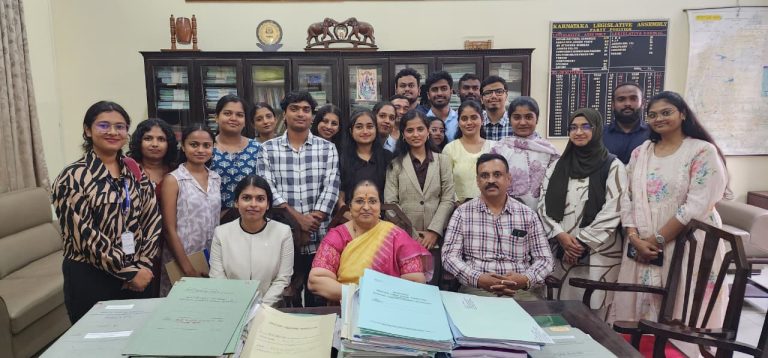
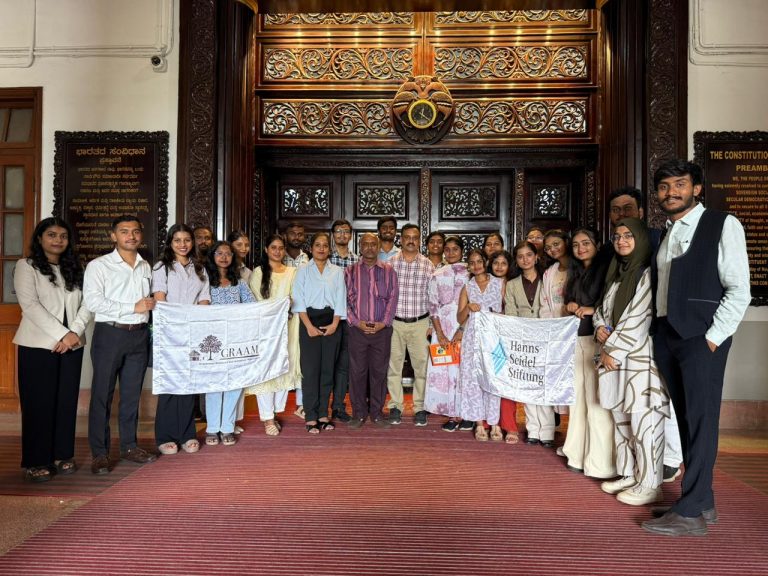
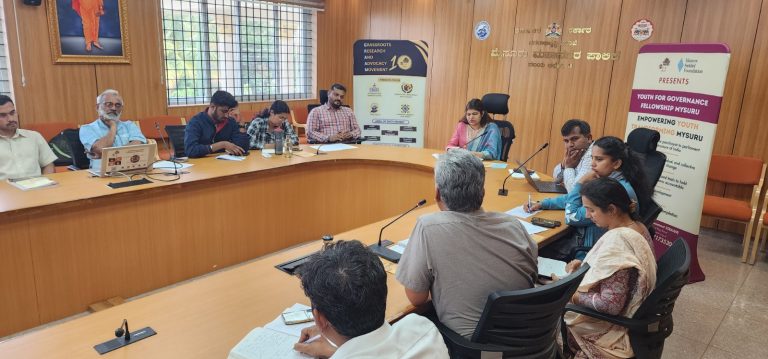
To bridge this gap, the GRAAM in collaboration with Chanakya University, Bengaluru, hosted an intensive 5-Day Policy Bootcamp at the GRAAM Campus. The goal? To decode grassroots governance, analyze public service delivery, and understand the lived experiences of rural communities. Here is a look at how these fellows learned to view public policy through a grassroots lens.
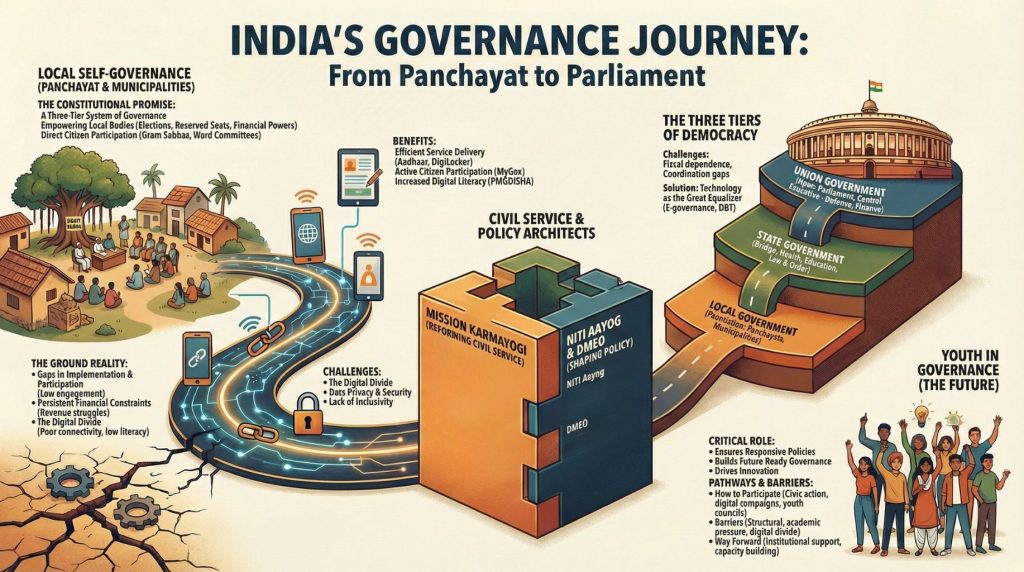
The immersive journey challenged these future policymakers to uncover the “implementation gap”, the friction that occurs between a policy’s structural intent and its real-world execution. The fellows conducted a 360-degree audit of rural life, evaluating local governance at the Gram Panchayat level and examining primary healthcare infrastructure. They spent time at village Anganwadi centers to evaluate maternal health support, early childhood care, and local nutritional tracking systems. Moving into the economic sector, the team engaged with women-led self-help groups and local farmers to analyze micro-finance resilience and agricultural water management.
By gathering extensive primary data through direct household surveys across multiple villages, the cohort successfully transformed raw field observations into actionable evidence. The final output of this grassroots exercise will be synthesized by the organization into a comprehensive, data-driven regional Fact Sheet. This document will map the exact reach and friction points of public services, serving as an open-access master blueprint for local administrative reforms and community development planning.
Key Takeaway / Impact
The bootcamp successfully bridged academic theory and field execution by training future policymakers through direct rural household audits, producing empirical data to build an open-access regional fact sheet for local policy planning.
Join the Conversation
How important do you think direct field exposure is for the policymakers of tomorrow? Can top-down policies ever succeed without grassroots data collection? Let us know your thoughts in the comments below!