
–Sabna E. S, Embark India Development Fellow
Mentored by:
- Dr. A. Raghu, Advisor, Ministry of Ayush
- Dr. Ruchika (Mentor from GRAAM)
- Dr. Sunil M. V. (Thematic mentor, Assistant Professor, SDMID)
“India is emerging as one of the fastest-growing destinations for Medical Value Travel (MVT), combining world-class medical infrastructure, highly skilled healthcare professionals, and cost-effective treatment with the country’s unique strength in traditional systems of medicine and holistic wellness.” (Ministry of Ayush, 2026a)
Introduction
India’s medical tourism sector has taken a new direction with the integration of traditional systems of medicine into the existing healthcare framework. The country’s healthcare approach is gradually shifting from a reactive, curative model towards a more promotive and preventive approach (Ministry of Health and Family Welfare, 2017).
Recognizing the growing global demand for natural, preventive, and integrative healthcare solutions, the Ministry of Ayush has promoted Ayush-based healthcare facilities in India. Further, it is also incorporated in medical tourism. Thus, medical tourism is now referred to as “Medical Value Travel” (MVT). It is defined as the practice of hosting foreign patients who travel with the purpose of maintaining, improving, or restoring their health through medical intervention (FICCI Medical Value Travel (MVT) Sector, n.d.). Importantly, the concept of MVT is still in a relatively early stage of development and has not yet evolved into a fully defined policy framework. Therefore, given the novelty of this field and the limited available literature, this blog post seeks to provide an overview of Medical Value Travel (MVT) and the initiatives undertaken in this domain thus far.
MVT reinforces India’s integrated healthcare approach by combining conventional medicine with traditional systems of treatment to provide comprehensive patient care. Further, it also aims to revitalize the ancient traditional medicine systems while promoting their development and global recognition. The traditional therapies include Ayurveda, Unani, Yoga, Naturopathy, Siddha, and Homeopathy (Gautam & Bhatta, 2020).
Thus, drawing from the existing literature, Ayush-based Medical Value Travel (MVT) can be understood as the movement of international patients to India for treatment, wellness, and therapeutic services for conventional and traditional systems of medicine.
Therefore, MVT encompasses both modern medical treatments and Ayush-based interventions, which also incorporate wellness-oriented services for international patients. Further, the focus of the MVT is explicitly mentioned as being on the patients’ health-seeking behaviour and the economic impact it has on such travels on the nations hosting the international tourists (Nesari, 2022).
Recognizing the significant growth potential of the sector, the Ministry of Tourism, Government of India, introduced the “National Strategy and Roadmap for Medical and Wellness Tourism” in 2022 to strengthen India’s positioning as a global destination for healthcare, wellness, and traditional systems of medicine (Taneja et al., 2024).
The document broadly categorizes Medical Value Travel (MVT) into three segments: medical treatment, wellness and rejuvenation, and healing through traditional systems of medicine. Therefore, before delving into the initiatives of the Ayush-led MVT sector, the following section introduces medical and wellness tourism. These terms are often used interchangeably, and many of their components form an integral part of Ayush-led MVT.
Medical and wellness tourism
Medical tourism is expected to emerge as a significant source of foreign exchange earnings, driving economic growth across related sectors such as tourism, transport, pharmaceuticals, hospitality, and food services (Mahida, 2024). Notably, India ranked 10th out of 46 destinations in the 2020–2021 Medical Tourism Index published by the Medical Tourism Association (Taneja et al., 2024).
Further, medical tourism in India is generally categorized into four main segments: surgical treatments, cosmetic procedures, traditional medicine therapies, and wellness-based treatments (Gautam & Bhatta, 2020). Thus, the term “wellness tourism” is often used interchangeably with, or in close association with, medical tourism (Nesari, 2022). Notably, medical tourism is referred to as medical travel, health tourism, or global healthcare that involves travelling across international borders to access medical treatment and healthcare services (Gautam & Bhatta, 2020).
Unlike medical tourism, which is primarily treatment-oriented[1], wellness tourism caters to travellers seeking preventive, restorative, and holistic health experiences through practices such as yoga, Ayurveda therapies, wellness retreats, and spa-based interventions focused on overall well-being (Ministry of Tourism, 2016, 2022). The appeal and success of wellness tourism are shaped by a distinct set of factors, including specialized business models, customer expectations, skilled human resources, and industry culture. Unlike conventional medical tourism, wellness tourism is more closely linked with leisure, recreation, hospitality, and holistic well-being experiences (Ministry of Tourism, 2022).
As per estimates by the Global Wellness Institute, India ranked seventh globally in wellness tourism in 2017, with nearly 56 million wellness tourism trips highlighting the country’s growing significance within the global wellness economy (Ministry of Tourism, 2022). Notably, within India, the traditional medicine and wellness tourism sector is particularly concentrated in states such as Kerala, Tamil Nadu, and Karnataka, reflecting their stronger institutional presence, established wellness infrastructure, and long-standing association with traditional healthcare systems (KPMG, 2024). Thus, in the following section, let us understand India’s growing Ayush-led MVT and the various initiatives aimed at international patients, that are strengthening its presence both nationally and internationally.
India’s expanding MVT sector
One of the prominent factors in understanding the expansion of the MVT sector is the growth of the Ayush-related manufacturing sector (plant derivatives, nutraceuticals and dietary supplements, plant extracts and herbal plants, classical and herbal pharmaceuticals), which has been driven by multiple factors (RIS, 2021).
At present, the increasing cost of healthcare in many Western countries has emerged as a major factor encouraging patients to seek affordable and accessible treatment options in international destinations (Taneja et al., 2024). Therefore, India’s competitive advantage in MVT largely stems from its ability to offer high-quality healthcare services at relatively affordable costs for international patients. Notably, MVT has emerged as a rapidly expanding sector in India, with the manufacturing segment recording an estimated Compound Annual Growth Rate (CAGR) of 17 percent since 2014 and surpassing ₹1,85,000 crore by 2022 (KPMG, 2025). It highlights the increasing economic contribution and strategic importance of the sector within India’s healthcare and wellness economy (KPMG, 2025). The traditional treatments are increasingly preferred by international patients for the management of chronic conditions, lifestyle-related disorders, rehabilitation, and wellness programs (Ministry of Ayush, 2025).
Alongside affordability, factors such as accessibility, rising global demand, and ease of communication have significantly contributed to India’s emergence as a preferred medical tourism destination (Mishra & Sharma, 2021). Thus, there is an emphasis on the commercial stakeholders (wellness centers and retreats, Ayush hospitals and clinics, medical travel facilitators and agencies, insurance companies and third-party administrators, Pharmaceutical and Nutraceutical companies, investors, and venture funds) in the MVT ecosystem (Ministry of Tourism, 2022). Literature also highlights the important interrelationship between healthcare delivery and hospitality services in hospital settings, recognizing that patient experience is shaped not only by clinical treatment but also by comfort, communication, care coordination, and overall service quality (Gautam & Bhatta, 2020).
Thus, the Government of India has introduced multiple initiatives aimed at strengthening the Medical Value Travel (MVT) ecosystem and positioning the country as a globally competitive hub for healthcare and wellness services.
Existing initiatives in MVT
The recent growth of Ayush-led MVT has been supported by several key initiatives, some of which are as follows:
- Ayush Visa: A significant milestone in advancing Ayush-based Medical Value Travel (MVT) was the introduction of the dedicated Ayush Visa on July 27, 2023. It was designed to facilitate smoother access for international patients seeking Ayush-based and integrative treatment services in India (Ministry of Ayush, 2024). Further, the ‘Medical and Ayush Visa’ portal serves as an important regulatory mechanism to streamline the entry of foreign patients into India (Ministry of Ayush, n.d.).[2]
- Insurance Coverage: Insurance coverage for Ayush therapies has expanded considerably[3] in recent years. Under the Health Insurance Regulations of the Insurance Regulatory and Development Authority of India (IRDAI), insurers are permitted to include coverage for Ayush-based treatments, thereby contributing to their growing institutional recognition and accessibility (PIB Backgrounder, 2026).
- Adoption of PPP model: Public–Private Partnership (PPP) models are emerging as significant drivers in strengthening India’s Medical Value Travel (MVT) ecosystem and advancing the national MVT roadmap. Reflecting this approach, the Union Budget 2026–27 introduced transformative measures, including support for states to establish five regional medical hubs[4] in collaboration with the private sector (Ministry of Finance, 2026).
- Global Engagement and Ecosystem Development: Initiatives such as the “Global Synergy in Ayush: Transforming Health and Wellness through Medical Value Travel” summits held in Mumbai (2024) and Chennai (2025) have been taking place to position Ayush within the global health and wellness landscape. At the global level, countries including the United States, Germany, China, France, Japan, Austria, and India currently lead the wellness tourism market in terms of market size, indicating the expanding international significance of wellness-oriented healthcare systems[5] (Ministry of Tourism, 2022). These efforts are further supported by expanding international outreach through platforms such as the WHO Global Traditional Medicine Summit, the Know India Programme (PIB Backgrounder, 2026).
- Quality and Trust: To strengthen international trust and credibility within the Ayush ecosystem, the Ayush Quality Mark was introduced in December 2025 as a quality assurance initiative aimed at promoting standardized and reliable Ayush products and services in global markets (Ministry of Ayush, 2026b). Anchored by the AYUSHEXCIL, the Ayush Quality Mark establishes an internationally aligned assurance framework for products and services, acting as an important differentiator in promoting standardized, authentic, and globally credible Ayush care within the Medical Value Travel ecosystem (TaxTMI, n.d.).
- Quality Standards: According to a PIB report published on 2 May 2026, capacity building within the Ayush sector is being strengthened through initiatives such as the Ayush Sub-Council under the Health Sector Skill Council for improving the quality and professional standards of Ayush-related services within the broader MVT ecosystem (PIB Backgrounder, 2026). Therefore, adherence to internationally recognized accreditation standards, including those established by the National Accreditation Board for Hospitals and Healthcare Providers (NABH) and the Joint Commission International (JCI), has become increasingly important.
- Market: The Ayush sector has also experienced considerable entrepreneurial expansion, with over 53,000 registered Ayush MSMEs (Micro, Small and Medium Enterprises) and more than 900 DPIIT-recognized (Department of Promotion for Industry and Internal Trade) startups contributing to its transformation into a structured and innovation-driven ecosystem. These initiatives are increasingly supported through digital platforms such as the Ayush Grid and the My Ayush Integrated Services Portal (MAISP). It aims to strengthen global patient access by providing AI-enabled triage, digital facilitation, and personalized wellness guidance within the broader MVT framework (KPMG, 2025).
- Online portal: The government is upgrading the One-Stop Medical Value Travel Portal to deliver a comprehensive “end-to-end” solution. It facilitates international patients through streamlined access to healthcare services, travel support, information systems, and treatment-related assistance within the MVT ecosystem (PIB Backgrounder, 2026).
Thus, the discussion on the existing initiatives and relevant literature highlights the growing emphasis on Ayush-led MVT. It draws attention to the key challenges and gaps that require further consideration.
Key challenges and gaps
A major challenge in understanding Ayush-led Medical Value Travel (MVT) is the limited availability of literature and empirical evidence at both the national and international levels. However, the review of literature reveals several gaps. Existing data indicate that a significant proportion of medical tourists visiting India originate from neighbouring and developing countries, particularly Bangladesh, as well as Iraq, Yemen, Oman, the Maldives, and several African countries (Taneja et al., 2024).
The literature further highlights that India continues to attract a relatively limited proportion of medical tourists from developed countries, accounting for only 1.4 per cent of total medical tourist arrivals in 2022 (Taneja et al., 2024). This raises important concerns regarding global positioning, international trust, quality perception, and the broader competitiveness of India’s medical tourism sector. Also, this highlights the need for a deeper understanding of patient flows, treatment preferences, institutional preparedness, and the broader challenges associated with positioning Ayush within India’s global MVT framework.
However, the Ayush-led MVT has often been discussed from the perspective of potential and market opportunities, while insufficiently examining the structural, policy, governance, and institutional mechanisms necessary for its effective integration and implementation (Nesari et al., 2025). There is a growing need for standardized guidelines and regulatory frameworks for Ayush-led MVT services, covering both medical and wellness tourism, to ensure quality, credibility, patient safety, travel and visa facilitation, insurance frameworks and institutional coordination (KPMG, 2025).
Moreover, greater clarity is required regarding interdepartmental coordination and the allocation of responsibilities in integrating Ayush into MVT. This leads us to the next section, which outlines the way forward for the Ayus-led MVT sector based on the insights drawn from the literature review and government reports.
Way forward
As a way forward, greater emphasis must first be placed on strengthening and scaling up successful models of integrated healthcare (modern and traditional treatments) before prominently promoting them internationally.
The focus of the MVT is to attract international patients, who primarily seek high-quality, reliable and standardized healthcare services that contribute to the Indian economy. India must prioritize improving healthcare infrastructure, ensuring strict quality standards, building institutional credibility, focus on scientific research and enhancing integrated treatment systems. Once these systems are effectively strengthened and standardized, broader promotion of integrated healthcare through global outreach and MVT initiatives can be undertaken more sustainably and effectively.
There is a need to develop comprehensive end-to-end MVT portals, implement AI-driven health technologies[6] for patient triage, risk assessment, and 24/7 multilingual support, and simplify visa procedures for international patients. Additional measures such as airport concierge services, adherence to strict international quality standards with standardized pricing, and the promotion of integrated treatment systems through conferences, roadshows, and government-led campaigns. These steps can further enhance India’s position in the global MVT market.
Moreover, exporting skilled Indian healthcare professionals can contribute to greater international outreach, visibility, and trust in India’s healthcare ecosystem. It is also equally important to carefully consider how different AYUSH systems are integrated within Medical Value Travel (MVT), as each traditional treatment system follows a distinct approach.
Further, a key takeaway is that MVT includes modern healthcare services as well as Ayush-based treatments, which are complemented by wellness components designed to enhance holistic well-being and overall experience of the international patients. Thus, coordination between ministries, state departments, and other relevant bodies is of paramount importance to strengthen and promote an integrated model of treatment and position Indian healthcare more competitively in the global healthcare and wellness sector.
Conclusion
The blog post concludes that MVT in India is emerging as an important part of the country’s healthcare and economy. There are several initiatives to strengthen this sector, but there remains a need for stronger institutional coordination, standardization and quality frameworks and integrated healthcare approaches in the existing healthcare systems. Thus, strengthening credible, accessible, patient-centric services would continue positioning it as a global MVT destination and a globally trusted healthcare system.
About the Author
Sabna E. S. is a researcher working in the field of menstrual health and hygiene, and her work specifically revolves around intersectionality in menstrual practices and beliefs. As a part of the Embark India Development Fellowship, she is placed at the Ministry of Ayush. Her research at the ministry focuses on Ayush-led Medical Value Travel (MVT). The blog emerged from an ongoing literature review being conducted for a recommendation report to the Ministry on Ayush-led MVT.
Citations:
[1]The Ministry of Tourism published in a document in 2022 that says, the leading procedures in medical tourism in India typically include cosmetic surgery, orthopaedic surgery, cardiac surgery, and a range of dental treatments. The international patients come to India mostly for these treatments.
[2]The ‘Medical and Ayush’ visa portal also ensures greater transparency and credibility by allowing only recognized hospitals to invite genuine international patients for treatment
[3]The PIB Backgrounder report published in 2026 has referred to the reports published by different ministries. The document highlights that approximately 27 insurance companies currently offer more than 140 insurance products covering Ayush treatments, reflecting the growing institutional acceptance and integration of traditional systems of healthcare within the broader insurance framework
[4]The Ministry of Finance document published in 2026 also shared that the medical hubs are envisioned as integrated healthcare complexes that combine Ayush centres with advanced diagnostic services and post-treatment rehabilitation infrastructure, aiming to provide a seamless continuum of care and strengthen India’s holistic healthcare ecosystem within the MVT framework.
[5]The KPMG document published in 2025 emphasizes that realizing the full potential of traditional treatments, Ayush is being systematically integrated into the “Heal in India” and “Heal by India” framework through a comprehensive roadmap aimed at strengthening institutional coordination, international patient facilitation, quality assurance, and holistic healthcare delivery within the MVT ecosystem.
[6]Da’Costa et al., talks about the benefits of AI-driven triage in healthcare departments in emergency situations. See https://doi.org/10.1016/j.ijmedinf.2025.105838
References
- FICCI Medical Value Travel (MVT) Sector. (n.d.). Retrieved May 12, 2026, from https://www.ficci.in/sector/medical-value-travel-mvt
- Gautam, P., & Bhatta, K. (2020). Medical Tourism in India: Possibilities and Problems of Alternative Medical Treatment. International Journal of Health Management and Tourism, 5, 181–207. https://doi.org/10.31201/ijhmt.634092
- KPMG. (2024). Kerala Medical Value Travel Vision 2030.
- KPMG. (2025). Heal in India: Catalysing medical and wellness tourism for a healthier global future.
- Mahida, R. (2024). THE SIGNIFICANT IMPACTS OF THE MEDICAL TOURISM INDUSTRY ON THE INDIAN ECONOMY. VIDYA – A JOURNAL OF GUJARAT UNIVERSITY, 3, 130–139. https://doi.org/10.47413/vidya.v3i1.339
- Ministry of Ayush. (n.d.). Home—Ayush Global Portal, India. Ministry of Ayush. Ayush Global | Ministry of Ayush. Retrieved May 13, 2026, from https://bisag.co.in/AYUSH_GLOBAL/
- Ministry of Ayush. (2024, December 10). Ayush Visa for foreigners visiting India for availing treatment under Ayush system of medicine. Ministry of Ayush. https://www.pib.gov.in/www.pib.gov.in/Pressreleaseshare.aspx?PRID=2082732
- Ministry of Ayush. (2025, August 5). Promotion of Ayush based medical value travel. Ministry of Ayush. https://www.pib.gov.in/www.pib.gov.in/Pressreleaseshare.aspx?PRID=2152584
- Ministry of Ayush. (2026a, January 22). Wellness Meets Value: India Rises as a Global Medical Travel Destination. PIB Delhi. https://www.pib.gov.in/www.pib.gov.in/Pressreleaseshare.aspx?PRID=2217203
- Ministry of Ayush. (2026b, March 18). Standardization and quality control of Ayush products. Ministry of Ayush. https://www.pib.gov.in/www.pib.gov.in/Pressreleaseshare.aspx?PRID=2241692
- Ministry of Finance. (2026, February 1). UNION BUDGET 2026-27 PROPOSES A SCHEME TO SUPPORT STATES IN ESTABLISHING FIVE REGIONAL MEDICAL HUBS TO PROMOTE MEDICAL TOURISM. Ministry of Finance. https://www.pib.gov.in/www.pib.gov.in/Pressreleaseshare.aspx?PRID=2221403
- Ministry of Health and Family Welfare. (2017). National Health Policy 2017. Ministry of Health and Family Welfare. https://nhsrcindia.org/sites/default/files/2021-07/National%20Health%20Policy%202017%20%28English%29%20.pdf
- Ministry of Tourism. (2016). Revised guideline for the promotion of wellness and medical as niche tourism products. Ministry of Tourism. https://tourism.gov.in/sites/default/files/2020-02/REVISED%20GUIDELINES%20FOR%20WELLNESS%20MEDICAL%20TOURISM%20AS%20ON%2006.12.2016.pdf
- Ministry of Tourism. (2022). National Strategy and Roadmap for Medical and Wellness Tourism. Ministry of Tourism. https://tourism.gov.in/sites/default/files/2022-05/National%20Strategy%20and%20Roadmap%20for%20Medical%20and%20Wellness%20Tourism.pdf
- Mishra, V., & Sharma, M. G. (2021). Framework for Promotion of Medical Tourism: A Case of India. International Journal of Global Business and Competitiveness, 16(1), 103–111.
- Nesari, T. (2022). Ayurveda for medical value travel: Untapped potential. International Journal of Ayurveda Research, 3(2), 75. https://doi.org/10.4103/ijar.ijar_55_22
- PIB Backgrounder. (2026, May 2). Medical and Wellness Tourism in India. PIB Delhi. https://www.pib.gov.in/www.pib.gov.in/Pressreleaseshare.aspx?PRID=2257447
- RIS. (2021). Ayush Study-Public Policy and Economic-FINAL REPORT 28 OCT_0. https://www.ris.org.in/sites/default/files/Publication/Ayush%20Study-Public%20Policy%20and%20Economic-FINAL%20REPORT%2028%20OCT_0.pdf
- Taneja, N., Joshi, S., Upreti, V., & Rath, N. (2024). Looking Beyond Bangladesh: Making India’s Medical Value Travel Sector More Resilient—ICRIER. Indian Council for Research on International Economic Relations. https://icrier.org/publications/looking-beyond-bangladesh-making-indias-medical-value-travel-sector-more-resilient/
- TaxTMI. (n.d.). Ayush Export Promotion Council observes 4th Establishment Anniversary in New Delhi. TaxTMI. TaxTMI. Retrieved May 13, 2026, from https://www.taxtmi.com/news?id=66474


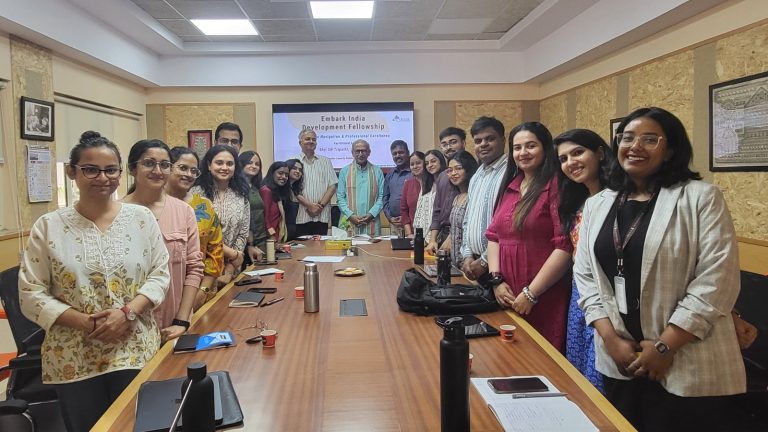

The author has effectively explained the growing importance of AYUSH-led Medical Value Travel and its potential to strengthen India's position as a global healthcare destination. it is an excellent effort that brings attention to an emerging opportunity in India's healthcare and tourism sectors.