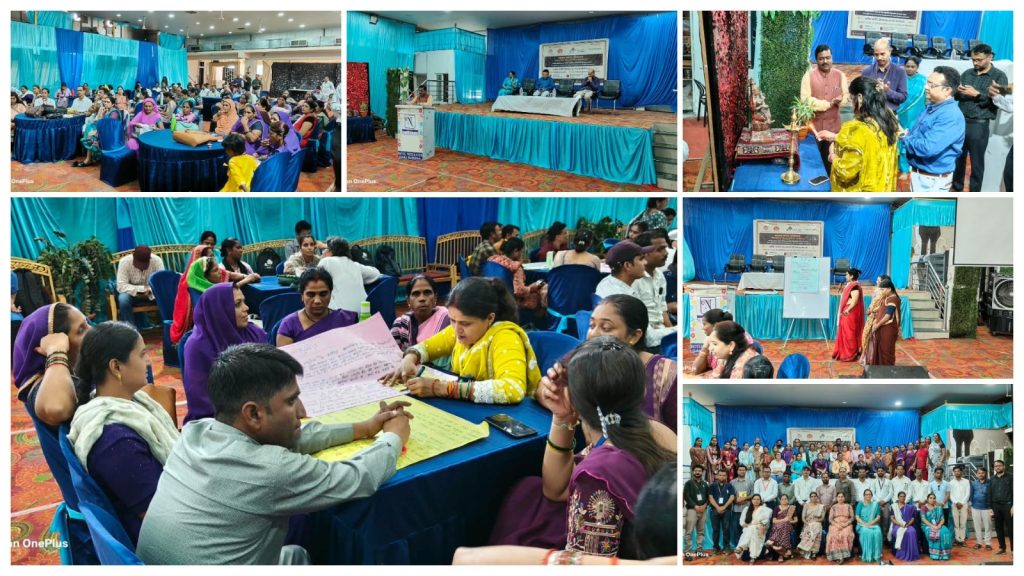
True transformation in rural healthcare happens when local leaders, frontline workers, and officials come together with a single shared purpose. In Ganj Basoda, Vidisha district, a powerful cross-sectoral movement took shape during a block-level consultation under Project Swasthya Swaraj.
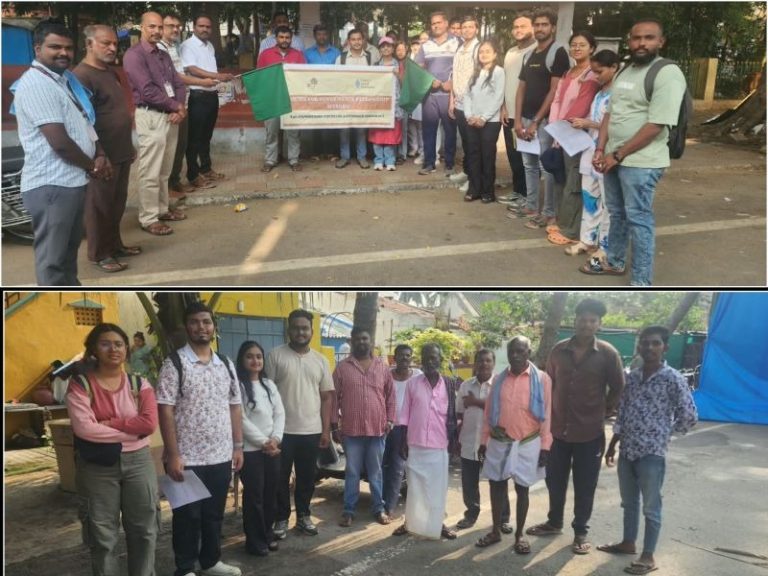
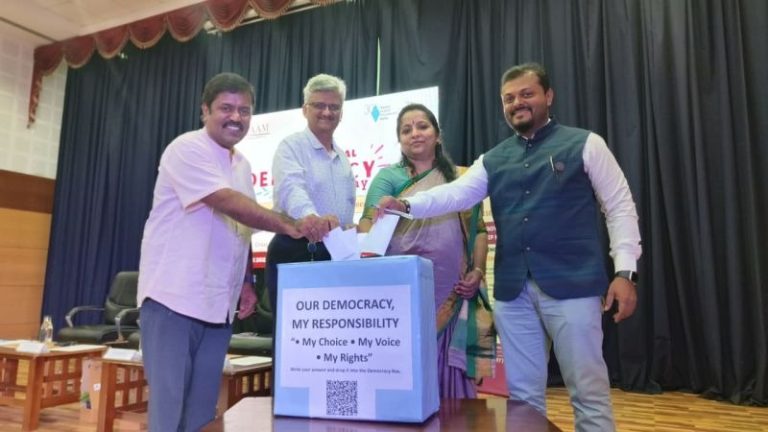
Nearly 85 dedicated participants—including Anganwadi workers, Panchayat representatives, health cadres, and subject experts—gathered to tackle some of the region’s most urgent health challenges. Rather than relying on top-down solutions, the coalition focused on grassroots action and local governance to bring real change to the community.
The team established a practical roadmap addressing the dual burden of child malnutrition and maternal anemia alongside rising non-communicable diseases. A major priority emerged around high-risk stone-crusher clusters, where workplace screenings and active case-finding are now targeted to protect workers exposed to silica dust. Furthermore, by strengthening Jan Arogya Samitis and utilizing Panchayat development funds, the initiative empowers local communities to secure emergency patient transport, provide nutrition kits, and work toward TB-free villages.
By bridging gaps between policy and local action, the organization demonstrates that healthcare autonomy is fully achievable when communities are equipped to lead their own wellness journey.
Key Takeaways & Impact:
- Cross-Sector Alignment: Unified frontline health workers, local officials, and experts around shared health goals.
- Targeted Health Interventions: Designed localized screening and care strategies for vulnerable quarry workers.
- Empowered Local Governance: Leveraged village funds and committees to ensure rapid medical transit and nutritional support.
Join the Conversation
How can local governance in your area play a bigger role in improving healthcare access? Share your thoughts below!
#SwasthyaSwaraj #RuralHealthcare #CommunityGovernance #PublicHealth #GrassrootsImpact