Economic independence is a powerful tool, but true community empowerment goes beyond financial growth. Recognizing the deep link between poverty and health, a new initiative in Hunsur taluk is expanding the role of over 600 Women’s Self-Help Groups (SHGs) to make community wellness a central priority.
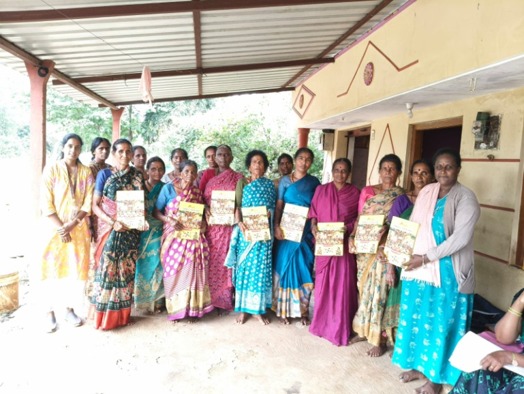
Traditionally focused on savings and microfinance, these self-help groups are now integrating health literacy into their regular routines. To support this shift, specialized resource books were created in close collaboration with senior district officials from the Department of Health and Family Welfare. These materials seamlessly merge essential health awareness topics into the groups’ standard meeting logs and financial record books, ensuring that health education becomes a natural part of their monthly gatherings.
To ensure broad reach and sustained engagement, the initiative partnered with four local non-governmental organizations. Working under their guidance, the health-integrated books are being distributed to all 600+ SHGs across the taluk. Group leaders are trained to facilitate structured health discussions, helping members recognize key health issues, seek timely care, and adopt preventive practices.
By placing health knowledge directly in the hands of women leaders, GRAAM helped turn everyday self-help group meetings into platforms for community well-being. This integrated approach ensures that economic development and better health go hand in hand, fostering healthier, more resilient rural families.
Key Takeaway
Integrating health education into existing self-help group structures creates a scalable, community-driven model that strengthens both financial independence and rural health awareness.
Join the Conversation
How can local self-help groups in your region be further empowered to tackle community challenges? Share your thoughts below!
#WomenEmpowerment #CommunityHealth #Hunsur #HealthGovernance #SelfHelpGroups