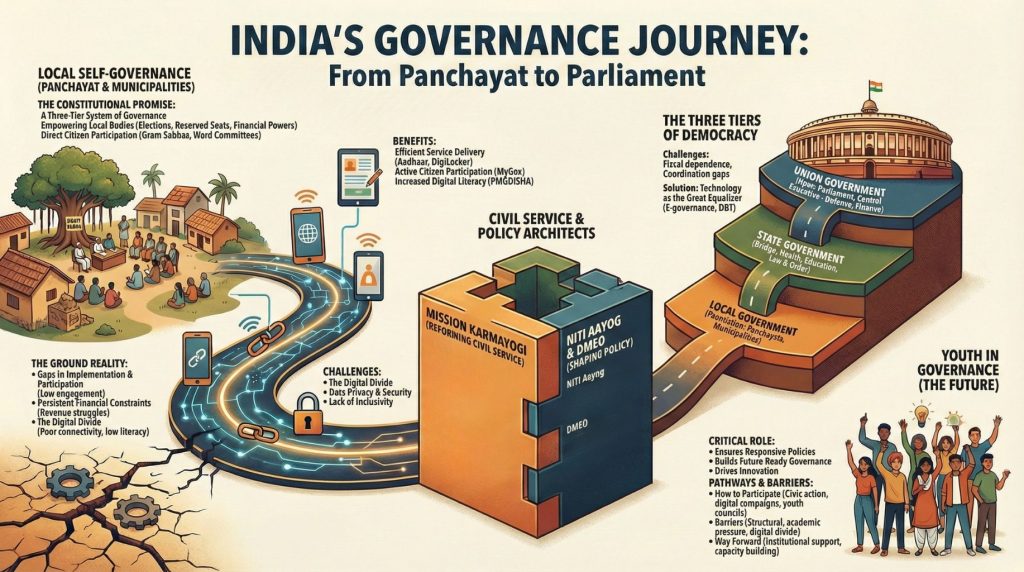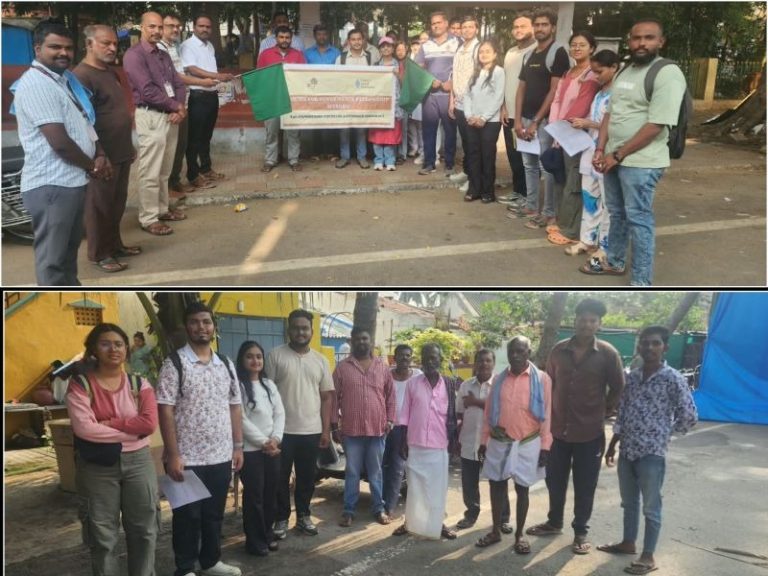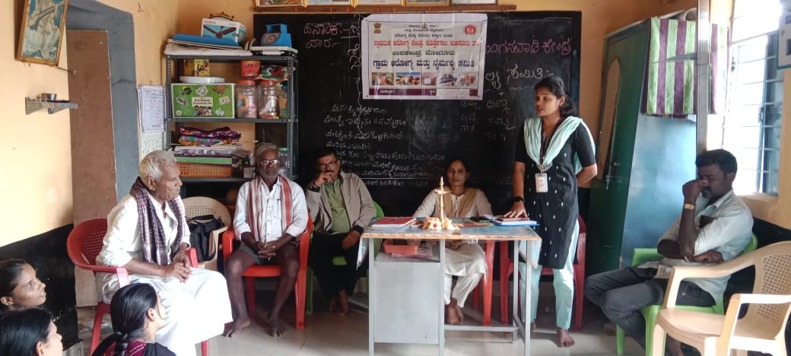
Real change in rural healthcare begins when community members actively lead local wellness initiatives. Across 126 villages, local residents and frontline health workers have come together through Village Health, Sanitation, and Nutrition Committees (VHSNCs) to take charge of their village’s well-being.
To ensure consistent grassroots action, regular committee meetings were organized across these communities, recording 102 meetings in July, 113 in August, and 82 in September. These gatherings served as collaborative spaces where community members discussed pressing local concerns—ranging from clean drinking water access and proper sanitation to maternal nutrition and child care.
Rather than relying on generic solutions, the committees drafted comprehensive Village Health Action Plans tailored to the specific needs of each village. These plans address sanitation gaps, nutrition awareness, and preventive care measures. To ensure these community-driven priorities receive official support and funding, the project helped integrate these plans into the annual Gram Panchayat Development Plans (GPDP) and local Jana Arogya Samiti frameworks.
Through this structured approach, GRAAM helped strengthen participatory governance at the village level. By turning local discussions into institutional development plans, rural communities are taking direct ownership of their health, nutrition, and environmental hygiene.
Key Takeaway
Integrating village health plans directly into Gram Panchayat development frameworks ensures sustainable, community-led improvements in rural health and sanitation governance.
Join the Conversation
What community initiatives have helped improve public sanitation and health in your local area? Share your experiences below!
#GrassrootsHealth #Sanitation #VillageGovernance #RuralWellness #CommunityAction