
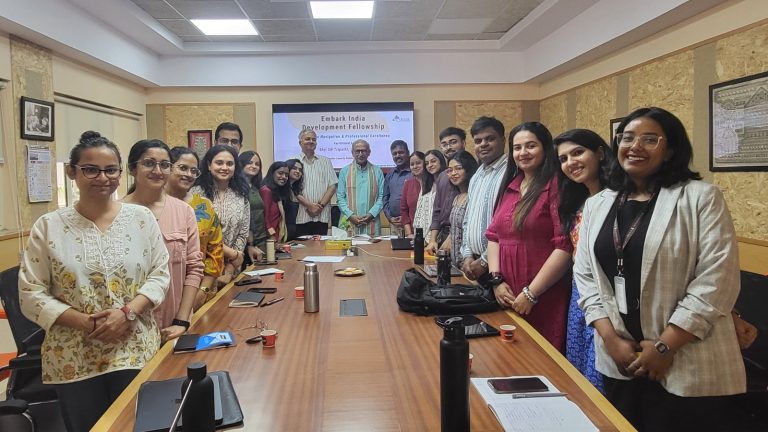
–Vijay V, Embark India Development Fellow
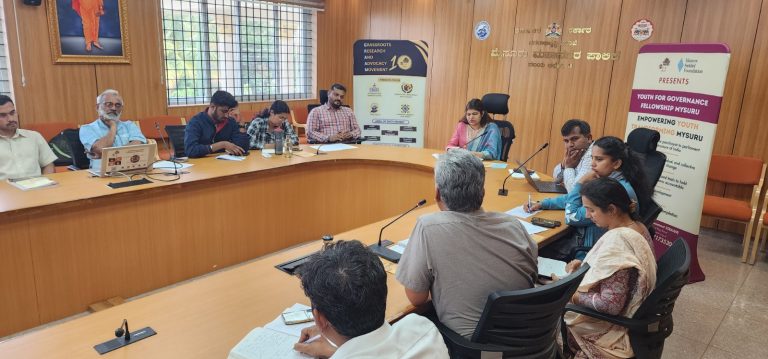
Guided / Mentored by
- Mr. Sarath Kalliat, Head (Research & Evaluation), GRAAM (Grassroots Research and Advocacy Movement).
- Mr. Gaurav Kumar, Technical Assistant, Mercedes-Benz Research and Development India Pvt Ltd.
Summary
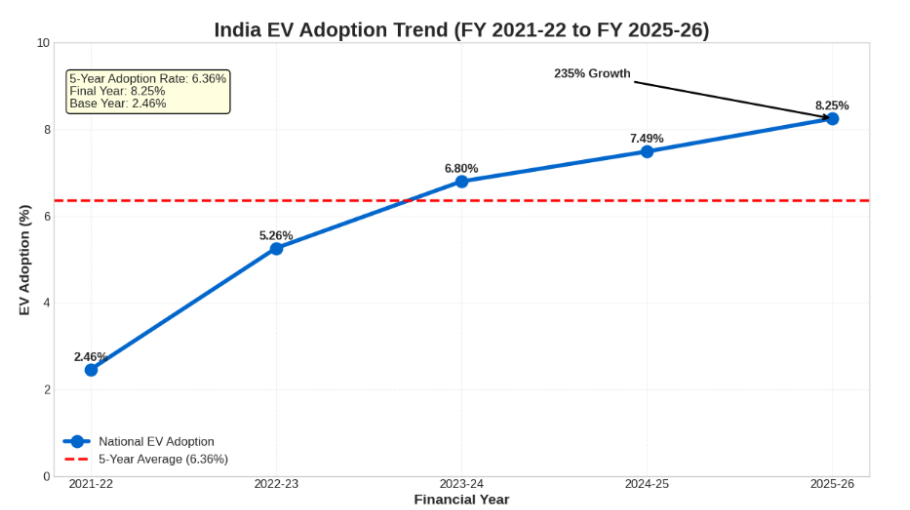
India is witnessing a paradigm shift in its transportation sector, driven by a growing imperative to transition toward sustainable electric mobility. Between FY 2021-22 and FY 2025-26, India recorded 126.23 million new vehicle registrations, out of which over 8.02 million were electric vehicles (EVs), resulting in an aggregate national EV adoption rate of 6.36%. The trajectory of this transition is highly encouraging, with the national EV adoption rate scaling rapidly from 2.46% in FY 2021-22 to 8.25% in FY 2025-26.
However, growth patterns vary across regions and categories, indicating opportunities for further expansion and balanced development. Smaller states and union territories, such as Tripura (12.40%) and Delhi (11.18%), lead the nation in adoption rates, while larger states like Uttar Pradesh and Maharashtra drive the absolute volume. Furthermore, the transition is skewed toward the three-wheeler and two-wheeler segments, with e-rickshaws achieving near 100% electrification, while passenger cars and heavy commercial vehicles present significant scope for increased adoption and market development. This study analyzes these trends to provide actionable insights for accelerating India’s pathway to net-zero mobility.
Introduction
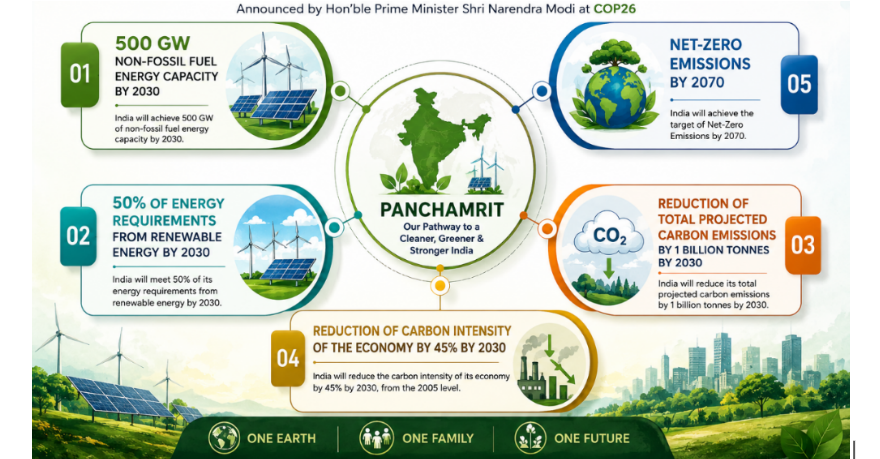
India’s transportation sector is at a critical juncture. As one of the fastest-growing economies globally, India faces a dual challenge: fulfilling the escalating mobility demands of a billion-plus population while curbing an ever-expanding oil import bill that threatens macroeconomic energy security. Furthermore, at the COP26 summit, India committed to the “Panchamrit” strategy, which includes an ambitious pledge to achieve net-zero carbon emissions by 2070. Decarbonizing road transport, which accounts for a significant portion of the nation’s greenhouse gas emissions, is no longer optional, it is one of the foundational pillars of India’s climate and economic strategy.
The transition from internal combustion engine (ICE) vehicles to electric vehicles (EVs) has been heavily catalyzed by policy interventions at both the central and state levels, including the PM E-DRIVE (Prime Minister Electric Drive Revolution in Innovative Vehicle Enhancement), Faster Adoption and Manufacturing of (Hybrid &) Electric Vehicles (FAME) scheme and Production Linked Incentive (PLI) initiatives etc. To understand the efficacy of these measures, it is essential to look beyond aggregate numbers and dissect adoption at granular geographic and categorical levels.
Data and Methodology
The insights in this blog are derived from an analysis of the VAHAN Dashboard/Parivahan Vehicle Registration Database, capturing data across all Indian states and union territories. The analysis timeframe spans five financial years: FY 2021-22 through FY 2025-26.
Note: Sales figures represent EVs registered across 1,464 RTOs in 36 states/UTs.
- Total Vehicle Registrations: Captures all new motorized vehicle registrations within the stipulated time frame. (FY 2021-22 to FY 2025-26.)
- EV Registrations: Captures the subset of total registrations powered purely by electric (BOV) and pure EV filters.
- EV Adoption Rate: Calculated as (EV Registrations / Total Vehicle Registrations) × 100, providing a standardized metric for penetration, irrespective of market size.
- Methodology: Quantitative research based on secondary data analysis of EV registrations (FY 2021–22 to FY 2025–26) using VAHAN/Parivahan data. Applied descriptive statistics, trend analysis, comparative analysis, and data visualization to assess EV adoption across states and vehicle segments. The data was extracted on 15.06.2026
National EV Adoption Trends
India’s national EV transition over the five-year period demonstrated an unmistakable high growth trajectory. In FY 2021-22, total EV registrations stood at 473,931 units against a total vehicle registration base of 19.26 million. By FY 2022-23, this figure skyrocketed to 1.22 million EVs (out of 23.25 million total vehicles), marking an inflection point in consumer acceptance.
This momentum was sustained through FY 2023-24 (1.74 million EVs) and FY 2024-25 (2.03 million EVs). Projections and recorded data for FY 2025-26 indicate an all-time high of 2.54 million EV registrations against a total vehicle market of 30.83 million.
Consequently, the national EV adoption rate has seen a steady, unbroken ascent, starting at 2.46% (FY 21-22), doubling to 5.26% (FY 22-23), and subsequently rising to 6.80% (FY 23-24), 7.49% (FY 24-25), and ultimately reaching 8.25% in FY 2025-26. Over the entire five-year span, the cumulative national adoption rate was 6.36%, representing 8.0 million EVs out of 126.23 million total registered vehicles.
State-wise Analysis
A state-wise breakdown highlights a dynamic EV landscape, with several states leading adoption and others demonstrating strong potential for accelerated growth.
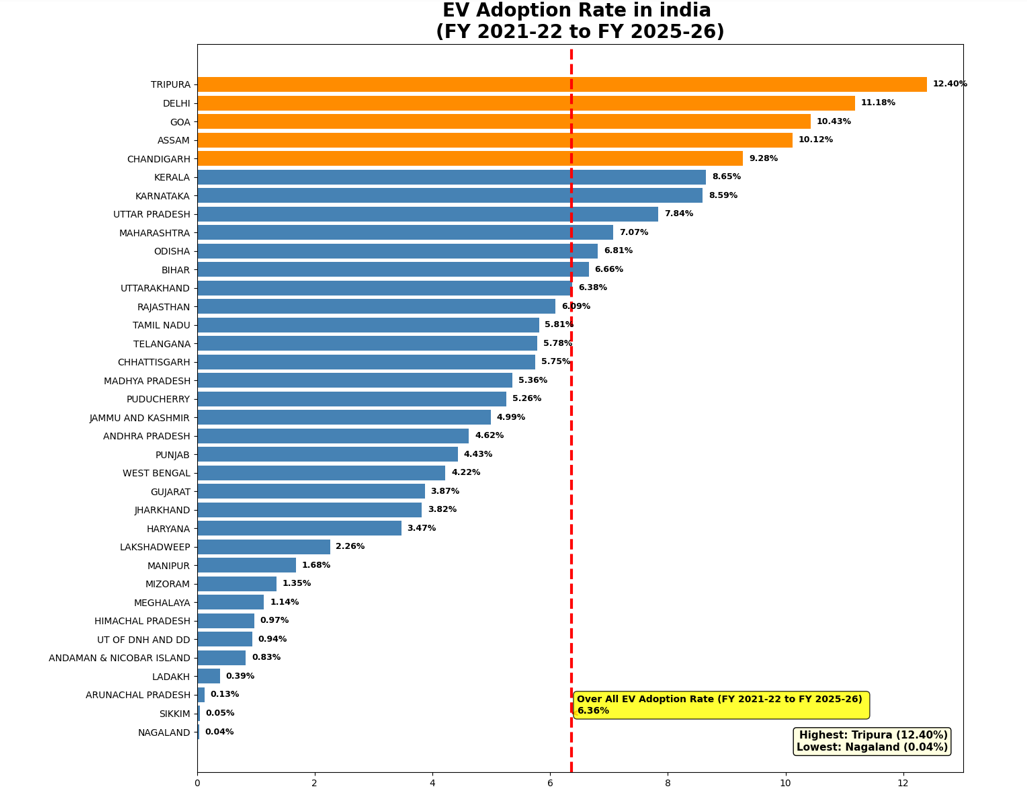
Top-Performing States by Adoption Rate When observing the EV penetration per registered vehicle, smaller states and Union Territories dominate the top rankings.
- Tripura: In a surprising and remarkable trend, Tripura ranks first nationally with an overall EV adoption rate of 12.40%. The state witnessed an extraordinary climb from 5.59% in FY 21-22 to an astounding 17.80% in FY 25-26. Out of 276,368 total vehicles registered in this period, 34,272 were electric.
- Delhi: A pioneer in EV policy, the National Capital Territory secured the second spot with an overall 11.18% adoption rate. Delhi maintained high penetration consistently, scaling from 7.74% in FY 21-22 to a peak of 12.66% in FY 25-26.
- Goa: With robust tourism-driven mobility, Goa ranked third at 10.43% adoption, peaking at 13.37% in FY 23-24.
- Assam and Chandigarh: Assam achieved an overall EV adoption rate of 10.12%, recording a remarkable increase from 4.70% in FY 2021–22 to 15.60% in FY 2025–26, while Chandigarh registered an overall adoption rate of 9.28%.
Absolute Volume Leaders
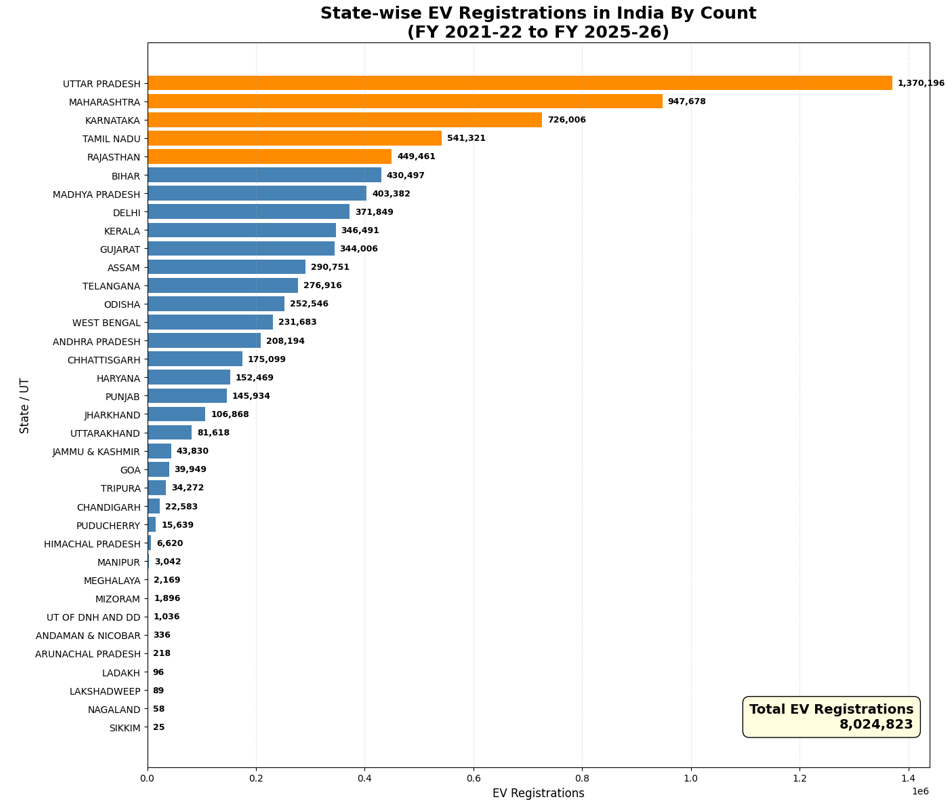
While states with high EV adoption rates are important for understanding market penetration, states with large vehicle markets contribute disproportionately to overall carbon emission reductions because of their much higher absolute numbers of EVs.
- Uttar Pradesh: UP leads the country in absolute volume, registering a staggering 1.37 million EVs over the five-year period out of 17.47 million total vehicles. Its adoption rate reflects healthy growth, from 2.95% to 9.72%, averaging 7.84% (ranked 8th nationally).
- Maharashtra: The state added nearly 1 million EVs (947,678) to its roads out of a total base of 13.4 million vehicles, yielding a solid adoption rate of 7.07 %.
- Karnataka: Driven by tech-centric hubs, Karnataka registered 726,006 EVs (out of 8.45 million total), achieving an 8.59% overall adoption rate.
Emerging Markets and Regional Variations
- Kerala’s Surge: Kerala stands out as a rapidly emerging EV market. Its adoption rate leapt nearly sixfold, from 2.04% in FY 21-22 to 12.13% by FY 25-26 (averaging 8.65%).
- Gujarat: Gujarat’s trajectory is highly surprising. Despite an early jump from 1.52% (FY 21-22) to 4.96% (FY 22-23), its adoption rate remained low, reaching 3.65% in FY 2024–25 before improving to 3.86% in FY 2025–26. Overall, Gujarat ranked 23rd with a 3.87% adoption rate.
- High-Growth Potential States: Several North-Eastern and Himalayan states, characterized by unique geographical and topographical conditions, present significant opportunities for tailored EV adoption strategies. Nagaland (0.04%), Sikkim (0.05%), Arunachal Pradesh (0.13%) and Ladakh (0.39%) reflect minimal EV penetration. The relatively lower adoption rates in some mountainous states indicate the need for targeted investments in charging infrastructure, vehicle suitability, and consumer awareness to accelerate EV adoption in challenging terrains.
Vehicle Category Analysis
The electrification of mobility in India is progressing across all vehicle segments, albeit at varying rates. A category-wise analysis highlights the strong performance of commercial micromobility segments alongside significant opportunities for accelerated adoption in private four-wheelers.
Three-Wheelers: A Complete Electrification Success Story
The undeniable success of India’s EV story lies in the three-wheeler segment.
- e-Rickshaws (Passenger): Of the 1,952,248 total passenger e-rickshaws registered, an overwhelming 1,951,115 were electric, resulting in a near-perfect 99.94% adoption rate.
- e-Rickshaw with Cart (Goods): Similarly, goods-carrying e-rickshaws achieved a 99.98% adoption rate (230,706 EVs out of 230,759 total EVs).
- Traditional Three-Wheelers: For larger, high-speed three-wheelers, the transition is slower but steady. Three-wheeler (passenger) models achieved a 19.63% adoption rate (463,566 EVs), while three-wheeler (goods) reached 19.81% (118,811 EVs).
Two-Wheelers: Driving the Volume
Motorcycles and scooters represent the backbone of Indian mobility. With 87.74 million total registrations, this category dominates the data. Over the five years, 4.5 million electric two-wheelers were registered, leading to an adoption rate of 5.13%. Furthermore, ” Motorcycle/Scooter-Used For Hire” models showed a much higher adoption rate of 32.51% (32,301 EVs), proving the strong economic viability of EVs in fleet operations.
Passenger Vehicles: The Tardy Transition
The electrification of private cars is at an evolving stage, with significant potential for future growth. Motor cars recorded 18.93 million total registrations, yet only 471,134 were electric, translating to a meager 2.49% adoption rate. While ” motor cabs ” fared slightly better at 3.13% (35,374 EVs), the broader four-wheeler segment indicates significant consumer hesitation.
Buses and Heavy Commercial Vehicles
Electrification of public transit shows early promise. The “Bus” category achieved a 6.18% EV adoption rate (16,014 EVs out of 259,327 total). However, heavy logistics remain largely dependent on fossil fuels. The “Goods Carrier” category registered 4.01 million vehicles, of which a mere 26,768 (0.67%) were electric. Construction equipment Vehicles, tractors, and agricultural trailers registered near 0% adoption.
Key Findings and Insights
- The Growth Story of Electric Two- and Three-Wheelers: India’s EV journey is increasingly being shaped by practical economic considerations. The near-100% adoption of e-rickshaws and the 32.51% adoption rate among hire-two-wheelers highlight how commercial operators readily embrace EVs when they offer clear cost advantages over conventional vehicles.
- Geographic Variations in EV Adoption: The varying pace of EV adoption across states, reflected in the strong momentum observed in states such as Tripura and Kerala and the more moderate growth trajectory in states such as Gujarat and Haryana, highlights the diverse nature of India’s EV transition. These differences underscore the importance of state-specific strategies and targeted interventions to unlock growth opportunities and ensure balanced development across regions.
- Unlocking the Potential of the Private Vehicle Segment: With an EV adoption rate of 2.49%, the passenger car segment represents a significant opportunity for the next phase of India’s EV transition. Accelerating electrification in this segment can play a pivotal role in advancing decarbonization goals and further strengthening the country’s sustainable mobility agenda.
- Scale and Composition of EV Adoption: While Uttar Pradesh’s EV fleet of 1.37 million vehicles underscores the scale of India’s electric mobility transition, its growth has been significantly driven by the widespread adoption of e-rickshaws. At the same time, states such as Delhi and Kerala demonstrate the broadening of EV adoption across multiple vehicle segments, including two-wheelers and four-wheelers, offering valuable insights into diversified pathways for advancing electric mobility.
Challenges Affecting EV Adoption
The data indicate varying levels of EV adoption across vehicle segments, with categories such as three-wheelers demonstrating strong growth while passenger vehicles and goods carriers present significant opportunities for further expansion. This highlights the importance of addressing segment-specific challenges and strengthening the enabling ecosystem to support broader adoption:
- Charging Infrastructure: While substantial progress has been made in expanding charging infrastructure, further strengthening of public charging networks particularly reliable high-capacity DC fast-charging corridors for passenger vehicles and freight transport with Unified Location based Payments App can help accelerate EV adoption in these segments. In contrast, the widespread use of domestic charging solutions has supported rapid uptake in segments such as e-rickshaws.
- Vehicle Affordability: Continued reductions in battery costs, economies of scale, and supportive policy measures can further improve the cost competitiveness of electric four-wheelers, making them increasingly accessible to a wider consumer base.
- Access to Finance: Strengthening financing ecosystems, enhancing confidence in residual values, and developing robust secondary markets for EVs can facilitate greater availability of attractive financing options for consumers and fleet operators.
- Consumer Confidence and Awareness: Increasing consumer awareness regarding battery performance, vehicle reliability, total cost of ownership, and charging availability can further strengthen confidence in EV adoption and support informed purchasing decisions.
- Supply Chain Development: Ongoing efforts to promote domestic manufacturing of batteries and critical EV components offer significant opportunities to enhance supply chain resilience, reduce import dependence, and improve the long-term competitiveness of the EV sector.
Policy Implications
The data from FY 2021-22 to FY 2025-26 mandate a pivot in policy design. Central and state policies must evolve from blanket subsidization to targeted interventions.
The phenomenal 99.9% adoption of e-rickshaws suggests that demand-side subsidies for this segment have achieved their goal and could gradually be phased out or redirected to other segments.
Furthermore, the data clearly underscore the urgent need to formulate terrain-specific policies. The relatively low EV adoption rates in several hilly states, including Himachal Pradesh (0.97%), Sikkim (0.05%), and Arunachal Pradesh (0.13%), underscore the unique mobility and infrastructure requirements associated with mountainous terrains and colder climatic conditions. These states present significant opportunities for the deployment of terrain-specific EV technologies, charging solutions, and targeted policy interventions to accelerate adoption.
Strategic Recommendations
Based on the quantitative findings, the following strategic interventions are recommended for policy stakeholders.
- Pivot Incentives to 4Ws and Freight: With commercial 3Ws already highly electrified, financial incentives should disproportionately target private passenger vehicles (currently at 2.49%) and heavy goods carriers (0.67%).
- Strengthen Support for Moderating Markets: State transport departments may undertake detailed assessments of states where EV adoption trends have moderated, to identify opportunities for targeted interventions, ecosystem strengthening, and policy enhancements aimed at sustaining and accelerating growth momentum.”
- Terrain-Specific R&D Grants: Government-backed R&D should focus on high-torque, cold-resistant battery chemistries tailored for Himalayan and North-Eastern topographies to increase their sub-1% adoption rates.
- Highway Charging Corridors: To boost the 0.67% goods carrier and 6.18% bus electrification rates, policy must shift from urban charging infrastructure to building heavy-duty DC fast-charging freight corridors across national highways.
- Capitalize on Fleet Operations: The data show that hire-motorcycles achieved 32.51% adoption. Mandating 100% electrification for delivery aggregators (e-commerce, food delivery) by 2030 could rapidly transition the remaining ICE 2 W fleet.
Conclusion
India’s trajectory from a 2.46% national EV adoption rate in FY 2021-22 to 8.25% in FY 2025-26 is a testament to the nation’s commitment to an electrified future. The addition of over 8 million electric vehicles in five years is a monumental achievement that has altered the transport landscape.
However, the data clearly illustrate the evolving nature of India’s EV transition. While the country has achieved significant success in electrifying low-speed, commercial, and short-distance mobility evidenced by the widespread adoption of e-rickshaws and the substantial EV volumes recorded in states such as Uttar Pradesh, considerable opportunities remain to expand electrification in private transport and freight mobility segments. Building on the strong foundation already established, continued policy support, infrastructure development, and technological advancements can accelerate adoption across these high-potential segments and further strengthen India’s transition to sustainable mobility.
Going forward, sustained growth in EV adoption will require data-driven policies, targeted interventions, and continued ecosystem development. Leveraging successful models from leading states while supporting emerging markets and high-potential vehicle segments can help accelerate adoption across the country. With strong policy support and ongoing innovation, India is well placed to deepen electrification across its transportation network and advance its sustainable mobility objectives.
Reference
- Ministry of Road Transport and Highways, Government of India. (n.d.). Parivahan Sewa. Government of India. Retrieved [15-06-2026], from https://parivahan.gov.in/
- Press Information Bureau, Government of India, “India’s Stand at COP-26,” Feb. 3, 2022. [Online]. Available: https://www.pib.gov.in/PressReleasePage.aspx?PRID=1795071. [Accessed: 15.06.2026].
About the Contributors
Vijay V is an Embark India Development Fellow. His research focuses on international EV policies, Electric Vehicle Adoption Pathways for India, key drivers and barriers to EV adoption and policy recommendations with implementation roadmaps to support India’s transition to sustainable mobility. His work contributes to the vision of Viksit Bharat@2047 by promoting evidence-based policymaking for a cleaner, more resilient, and future-ready transportation ecosystem. His research also aligns with the United Nations Sustainable Development Goals (SDGs), particularly SDG 7 (Affordable and Clean Energy), SDG 9 (Industry, Innovation and Infrastructure), SDG 11 (Sustainable Cities and Communities), and SDG 13 (Climate Action).
Website : https://sites.google.com/view/vijay-velmurugan





it is a high quality, evidence based policy article. A well researched, professionally written and highly informative analysis of EV adoption in India.
The data, insights, and policy recommendations are excellent.
This is a valuable contribution for researchers, policymakers, and the EV eco system. Strengthen the work by incorporating international comparisons.
Good work, Vijay. The insights in the evidence-based blog post are quite interesting and useful.